Walking into a kitchen for the first time can feel exciting, but it can also be a little overwhelming. With so many gadgets, utensils, and appliances available, it is difficult to know what you actually need.
The good news is that you do not need a kitchen packed with expensive gadgets to prepare delicious meals. The best kitchen tools for beginners are simple, practical, and versatile enough to help with everyday cooking.
Whether you are learning to cook for yourself, moving into your first home, or simply trying to become more confident in the kitchen, having the right equipment can make the entire experience easier. From chopping vegetables to stirring sauces, a small collection of reliable tools can help you work faster and enjoy cooking more.
Why the Right Kitchen Tools Matter
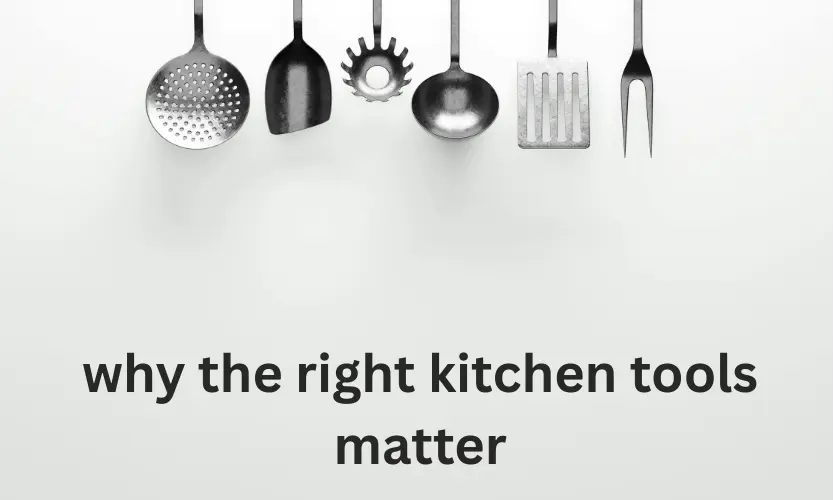
Cooking becomes much less frustrating when you have the right tools within reach. Imagine trying to chop an onion with a dull knife, measure ingredients without measuring cups, or flip pancakes with a spoon. Even simple recipes can suddenly become difficult.
Good kitchen tools do more than make cooking convenient. They can also improve consistency, reduce preparation time, and make certain tasks safer.
For beginners, versatility is especially important. Instead of buying a different gadget for every recipe, choose tools that can perform several jobs. A chef’s knife, for example, can chop vegetables, slice meat, mince herbs, and prepare fruit. The goal is not to own everything. The goal is to have the essentials that you will actually use.
Essential Kitchen Tools Every Beginner Needs
Chef’s Knife
A chef’s knife is one of the most important tools in any kitchen. It can be used for chopping, slicing, dicing, mincing, and preparing a wide variety of ingredients.
For a beginner, look for a knife that feels comfortable in your hand rather than simply choosing the largest or most expensive option. A comfortable handle and a sharp blade can make food preparation considerably easier.
Keep your knife properly maintained and use it on an appropriate cutting board. Avoid using it on hard surfaces such as glass plates or countertops, as this can damage the blade.
Cutting Board
A good cutting board gives you a stable surface for preparing ingredients. It also protects your countertops from knife marks. Choose a board that is large enough to give you comfortable working space but not so large that it becomes difficult to clean or store.
Having a separate board for different types of food can also be useful, particularly when preparing raw meat and ready-to-eat ingredients.
Measuring Cups and Spoons
Cooking is often about getting the proportions right. Measuring cups and spoons are therefore essential for beginners, especially when following recipes.
They are useful for ingredients such as flour, sugar, spices, oil, milk, and sauces.
Once you become more experienced, you may learn to estimate certain quantities. Until then, accurate measurements can help you understand how recipes work and produce more consistent results.
Mixing Bowls
Mixing bowls are useful for everything from preparing pancake batter to tossing salads and combining ingredients.
A set containing several different sizes is particularly convenient. A small bowl can hold spices or chopped ingredients, while a larger bowl can be used for salads, marinades, batters, or dough.
Stainless steel, glass, and sturdy plastic are all common choices. Pick materials that are easy to clean and comfortable to handle.
Wooden or Silicone Spatula
A spatula is one of those tools you will probably reach for repeatedly.
It can help stir sauces, fold ingredients, scrape bowls, and turn or move food while cooking. Silicone spatulas are especially useful because they can work well with many types of cookware.
A heat-resistant spatula is a practical choice for beginners because it can be used while cooking on the stovetop.
Tongs
Tongs give you a secure way to pick up, turn, and serve food without getting your hands too close to heat. They are useful for flipping vegetables, turning meat, serving pasta, tossing salads, and handling food in a frying pan.
Choose a pair that opens and closes smoothly and has a comfortable grip. A locking mechanism can also make storage easier.
Vegetable Peeler
Peeling vegetables with a knife can be awkward when you are still learning. A vegetable peeler makes the process faster and easier.
It is useful for potatoes, carrots, cucumbers, apples, and other produce. Some peelers can also create thin vegetable ribbons for salads or garnishes. This inexpensive tool takes up very little space, yet it can save plenty of preparation time.
Whisk
A whisk is essential for combining ingredients smoothly. It can be used for eggs, sauces, dressings, batters, and cream. It also helps incorporate air into certain mixtures, which can affect the texture of the final dish.
For everyday cooking, a medium-sized stainless steel whisk is usually enough.
Wooden Spoon
A sturdy wooden spoon is a simple kitchen classic. It is useful for stirring soups, curries, sauces, vegetables, and other dishes.
Wooden spoons are comfortable to hold and are gentle on many types of cookware. They are also useful when cooking dishes that require frequent stirring.
Can Opener
A can opener may seem like a minor item until you need one and cannot find it.
Canned beans, tomatoes, vegetables, soups, and other pantry ingredients are common in everyday cooking. A reliable can opener can make opening them quick and easy. Choose one that feels sturdy and operates smoothly rather than one that feels flimsy.
Cookware Beginners Should Have
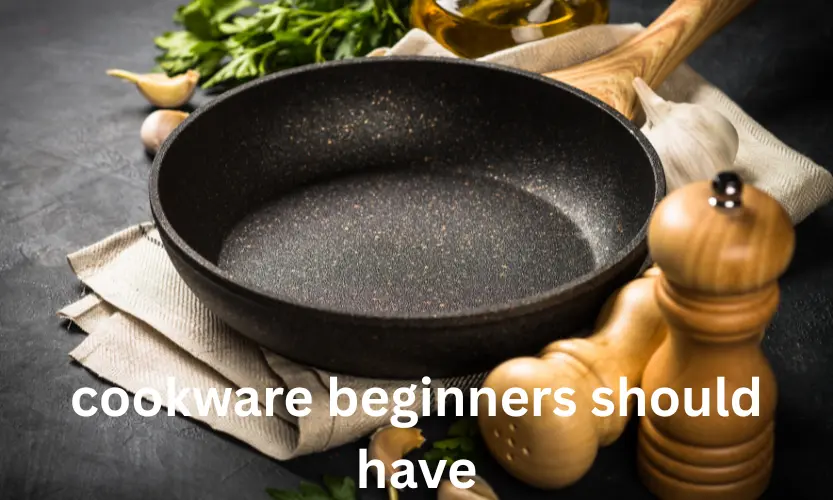
Kitchen utensils are only part of the equation. You also need a few dependable pieces of cookware.
Frying Pan
A frying pan is one of the most versatile pieces of cookware you can own. You can use it to fry eggs, cook vegetables, sauté onions, prepare chicken, make pancakes, and heat leftovers.
A medium-sized pan is a practical starting point because it is large enough for many everyday meals without being difficult to handle.
Saucepan
A saucepan is useful for boiling, simmering, reheating, and preparing sauces. It can be used for soup, rice, pasta sauces, oatmeal, custards, and many other foods.
A saucepan with a comfortable handle and a secure lid can become one of the most frequently used pieces of cookware in your kitchen.
Large Cooking Pot
A larger pot becomes useful when preparing meals for several people. It is ideal for pasta, soups, stews, rice dishes, and larger batches of food.
If you regularly cook for family members, having a reasonably large pot can save you from preparing the same meal in several smaller batches.
Baking Tray
Even if you are not planning to become a serious baker, a baking tray can be surprisingly useful. It can be used for roasting vegetables, baking cookies, reheating food, preparing chicken, or making simple oven meals.
A sturdy tray with enough surface area for your usual meals is a worthwhile addition to a beginner’s kitchen.
Small Tools That Make Cooking Easier
Once you have the basics, there are several smaller tools that can make everyday tasks more convenient.
Kitchen Scissors
Kitchen scissors can be useful for cutting herbs, trimming ingredients, opening food packaging, and preparing certain foods. Keep them clean and reserve them for kitchen use if possible.
Grater
A box grater can handle cheese, vegetables, citrus zest, and other ingredients. It is particularly useful when preparing pasta dishes, salads, soups, and baked foods.
Colander
A colander makes draining pasta, washing vegetables, and rinsing ingredients much easier. Choose one with stable feet or handles so it can sit securely over a sink or bowl.
Slotted Spoon
A slotted spoon allows you to remove food while leaving excess liquid behind. It can be useful for vegetables, boiled foods, fried items, and other dishes.
Kitchen Timer
A timer can prevent many beginner mistakes. It is especially useful when you are learning how long different foods take to cook. Even if your phone has a timer, having a dedicated kitchen timer can be convenient when your hands are covered in ingredients.
How to Choose Kitchen Tools Without Overspending
Building a kitchen from scratch can become expensive if you try to buy everything at once.
Start with the tools you will use most frequently. A chef’s knife, cutting board, frying pan, saucepan, mixing bowls, measuring tools, spatula, tongs, and wooden spoon can cover a large portion of everyday cooking.
Think about the meals you normally eat. If you rarely bake, you probably do not need a large collection of baking equipment. If you enjoy making soups and curries, a good pot may be more useful. Quality matters, but expensive does not always mean better. A reasonably priced tool that is sturdy, comfortable, and easy to clean can be a better choice than a costly gadget that rarely gets used.
Common Mistakes Beginners Make When Buying Kitchen Tools
Buying Too Many Gadgets
It is easy to become tempted by clever-looking kitchen gadgets. Some are genuinely useful, while others may spend most of their lives sitting in a drawer.
Before buying something, ask yourself whether it solves a problem you regularly have.
Choosing Appearance Over Function
A beautiful utensil set might look great in a kitchen, but appearance should not be your only consideration. Check whether the handles are comfortable, the materials are durable, and the tools are easy to clean.
Buying Poor-Quality Knives
A cheap, uncomfortable, or dull knife can make food preparation frustrating. You do not necessarily need a professional knife, but investing in one dependable chef’s knife can make a noticeable difference.
Ignoring Storage
A growing collection of kitchen equipment can quickly create clutter.
Think about where each tool will go before buying it. Tools that are difficult to store may eventually become tools that you stop using.
How to Keep Your Kitchen Tools in Good Condition
Taking care of your equipment can help it last longer. Wash tools according to their material and manufacturer’s instructions. Dry items properly instead of leaving them wet for long periods. Keep knives sharp and store them safely. Avoid throwing sharp knives loosely into a crowded drawer where they can damage other items or cause injuries.
Wooden utensils should also be allowed to dry properly. Excessive moisture can eventually affect the material. Regular cleaning is equally important. Food residue left on tools can create unpleasant smells and make cleaning more difficult later.
A Simple Beginner Kitchen Checklist
If you are starting from almost nothing, you can build your collection gradually.
Your basic checklist can include:
- Chef’s knife
- Cutting board
- Measuring cups
- Measuring spoons
- Mixing bowls
- Frying pan
- Saucepan
- Large cooking pot
- Baking tray
- Spatula
- Wooden spoon
- Tongs
- Whisk
- Vegetable peeler
- Can opener
- Grater
- Colander
- Kitchen scissors
- Slotted spoon
- Kitchen timer
You do not have to purchase everything in one shopping trip. Start with the tools that match your cooking habits and add other items as your skills develop.
Make Cooking Easier by Organizing Your Tools
A well-organized kitchen can make cooking feel much less stressful. Keep frequently used tools somewhere easy to reach. Knives should have a safe storage solution, while utensils such as spatulas and wooden spoons can be kept together near the stove.
Group similar items together. Measuring tools can stay in one drawer, baking equipment in another area, and everyday cookware near the stove. A little organization can save time because you are not constantly searching through drawers while trying to prepare a meal.
You may also like these
Small Kitchen Ideas for Home You’ll Love
Stunning Modern Kitchen Ideas on Budget
Genius Kitchen Storage Ideas for Small Spaces
Simple Kitchen Organization Ideas for a Clutter-Free Home
Brilliant Small Kitchen Layout Ideas That Wow
Build Your Skills Alongside Your Kitchen
Having excellent kitchen equipment will not automatically make someone a great cook. The real improvement comes from using your tools regularly. Start with simple recipes. Learn how to chop an onion, cook an egg, sauté vegetables, boil pasta, prepare rice, and make a basic sauce. These small skills gradually build confidence.
As you become more comfortable, you will begin to understand heat, seasoning, texture, timing, and ingredient combinations. You may also discover that you do not need as many tools as you originally thought. Experience teaches you which equipment genuinely improves your cooking and which gadgets simply take up space.
Final Thoughts
A beginner’s kitchen does not need to be crowded with expensive appliances or complicated gadgets. What matters most is having dependable equipment that makes basic cooking tasks easier and gives you the confidence to experiment. Start with versatile essentials, choose quality where it matters, and build your collection according to the meals you actually prepare. As your cooking skills grow, your kitchen can grow with you.
With the right tools within reach, cooking becomes less intimidating and much more enjoyable. Whether you are preparing your first breakfast or learning to make a complete family dinner, the best kitchen tools for beginners can give you a practical foundation for becoming more confident, capable, and comfortable in the kitchen.
FAQs
What are the best kitchen tools for beginners?
The best kitchen tools for beginners include a chef’s knife, cutting board, measuring cups and spoons, mixing bowls, spatula, tongs, peeler, whisk, saucepan, and frying pan.
What kitchen tools should a beginner buy first?
Start with versatile essentials such as a good chef’s knife, cutting board, frying pan, saucepan, spatula, measuring tools, and mixing bowls. These can handle a wide range of everyday recipes.
How do I choose kitchen tools for beginners?
Choose tools that are easy to use, durable, comfortable to hold, and suitable for multiple cooking tasks. Avoid buying specialized gadgets until you know you will actually use them.
Is a chef’s knife necessary for beginners?
Yes. A quality chef’s knife is one of the most useful kitchen tools because it can handle chopping, slicing, dicing, and many other basic food-preparation tasks.
What cookware does a beginner need?
A beginner can usually start with a frying pan, saucepan, and medium-sized pot. These pieces are versatile enough for preparing many everyday dishes.