A well-equipped kitchen can make everyday meals feel much simpler, even when you are short on time. The right tools help you chop, stir, measure, cook, and serve with less effort.
Choosing the best cooking tools for everyday use is not about filling every cabinet with gadgets. It is about having dependable essentials that make common kitchen tasks quicker, easier, and more enjoyable. Whether you cook elaborate dinners or prepare simple meals after a busy day, a few reliable tools can make a noticeable difference.
Why the Right Cooking Tools Matter
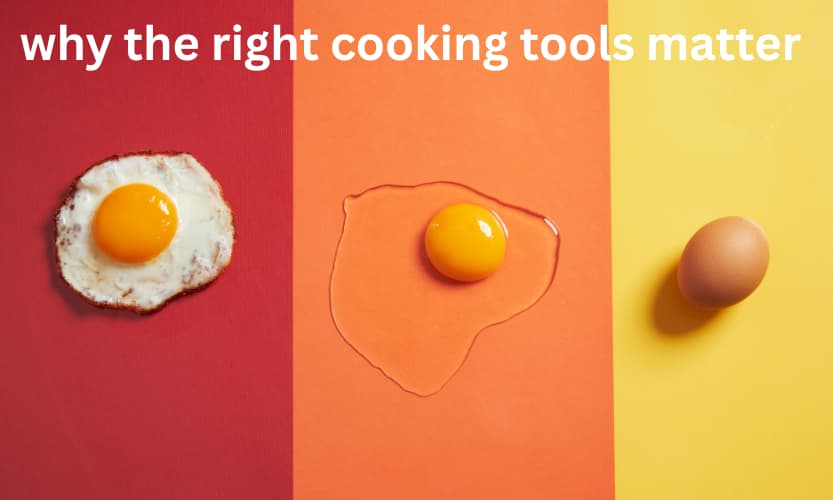
Cooking becomes frustrating when basic tasks take longer than they should. A dull knife makes chopping difficult, a poorly designed spatula struggles with delicate foods, and inaccurate measuring tools can throw off an entire recipe.
Good kitchen tools are designed to make these everyday jobs easier. They can also help you work more efficiently and keep your cooking area organized.
Think about a typical meal. You may need to chop vegetables, season ingredients, measure liquids, stir a sauce, flip food in a pan, and taste everything before serving. Having the right tool for each task keeps the process smooth instead of turning it into a search through drawers and cabinets.
The goal is not to own the largest collection. The goal is to own tools that you actually reach for.
Essential Cooking Tools Every Kitchen Needs
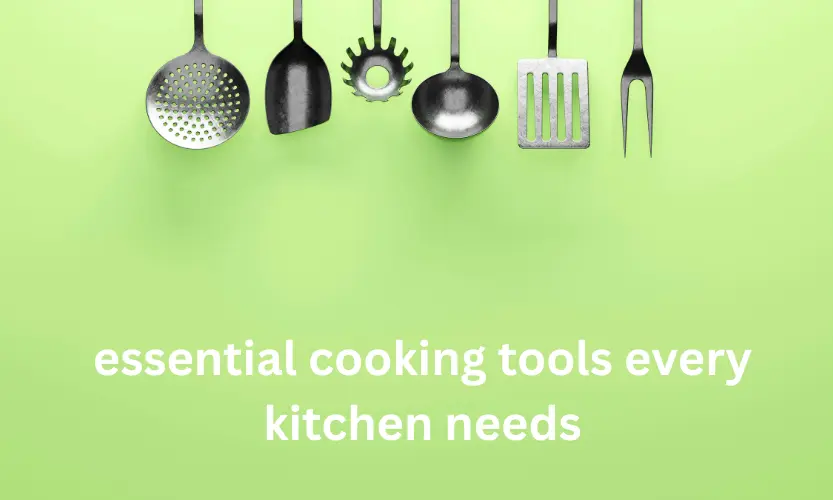
Some cooking tools are useful almost every day. These basic items can handle a wide range of recipes and are worth prioritizing when building or improving a kitchen.
Chef’s Knife
A good chef’s knife is one of the most useful tools in any kitchen. It can be used for chopping vegetables, slicing meat, cutting herbs, mincing garlic, and preparing fruit.
Look for a knife that feels comfortable in your hand and has a sturdy, sharp blade. Comfort matters because you may use it repeatedly during meal preparation.
A sharp knife is also generally easier to control than a dull one. Instead of forcing the blade through ingredients, you can make cleaner cuts with less pressure.
Cutting Board
A durable cutting board gives you a stable surface for preparing ingredients. It protects your countertops while making chopping and slicing more comfortable.
Choose a board large enough to give you room to work without ingredients constantly falling over the edges. Having separate boards for different types of ingredients can also make kitchen organization and food preparation easier.
Measuring Cups and Spoons
Cooking is sometimes about precision. Measuring cups and spoons are particularly useful when following recipes for baking, sauces, marinades, and desserts.
Even when you cook without a recipe, measuring tools can help you understand proportions and reproduce dishes you enjoyed previously. Keep both dry measuring cups and measuring spoons available, along with a liquid measuring cup for ingredients such as milk, water, and oil.
Mixing Bowls
A set of mixing bowls can handle countless kitchen jobs. Use them to combine ingredients, prepare sauces, toss salads, whisk eggs, or organize chopped vegetables before cooking.
Different sizes are especially useful. A small bowl works well for spices and sauces, while a larger bowl gives you room to mix ingredients without making a mess.
Wooden Spoon
The humble wooden spoon remains one of the most practical kitchen tools. It can be used for stirring soups, sauces, vegetables, rice, and many other dishes.
It is also comfortable to hold and useful when cooking in pots and pans where you want to avoid scratching the surface. A few wooden spoons in different shapes can be helpful, but one reliable spoon is enough for most everyday cooking.
Tools That Make Cooking Faster
Once you have the basics, certain tools can make preparation more convenient. These are especially useful when you cook frequently or prepare meals for several people.
Kitchen Tongs
Tongs give you better control when turning, lifting, and serving food. They are useful for everything from flipping vegetables in a pan to serving pasta or salad.
A pair with a comfortable grip and a locking mechanism can be particularly convenient for everyday use.
Silicone Spatula
A flexible silicone spatula is excellent for scraping bowls, folding mixtures, stirring sauces, and getting the last bit of food from a container.
It can also help reduce food waste because you can scrape sauces, batter, and other mixtures from the sides of bowls and pans.
Whisk
A whisk is essential for combining ingredients smoothly. It can be used for eggs, pancake batter, sauces, dressings, and many other mixtures.
A balloon whisk is versatile for everyday cooking, while a smaller whisk can be useful for sauces, drinks, and smaller quantities.
Vegetable Peeler
Peeling vegetables with a knife can take unnecessary time. A sharp vegetable peeler makes quick work of potatoes, carrots, cucumbers, apples, and other ingredients.
A comfortable handle is important because peeling several vegetables can become tiring with a poorly designed tool.
Grater
A box grater can perform several jobs in one tool. You can grate cheese, vegetables, citrus zest, chocolate, and other ingredients depending on the surface.
It is especially handy when you want to add freshly grated ingredients to a meal without using a complicated appliance.
Cookware That Earns Its Place
Cooking tools are only part of the equation. Reliable cookware is equally important for everyday meals.
Nonstick Frying Pan
A good frying pan can become one of the most frequently used pieces of cookware in your kitchen. It can handle eggs, pancakes, vegetables, grilled sandwiches, and many quick meals.
A nonstick surface can make cooking and cleanup easier, especially when preparing foods that tend to stick.
Use suitable utensils and follow the care instructions for the particular pan to help maintain its surface.
Saucepan
A saucepan is useful for heating milk, preparing sauces, cooking rice, boiling eggs, making soup, and reheating food.
A medium-sized saucepan is a practical choice because it can handle many everyday portions without taking up excessive storage space.
Large Cooking Pot
A larger pot becomes useful when cooking pasta, soup, stew, rice, or meals for several people. If your household regularly prepares larger portions, choosing a sturdy pot with comfortable handles can make cooking much easier.
Baking Tray
A baking tray is useful far beyond baking cookies. You can use it for roasting vegetables, baking chicken, preparing fries, reheating food, and making simple sheet-pan meals.
Sheet-pan cooking can also reduce the number of pots and pans that need to be washed afterward.
Helpful Tools for Food Preparation
Preparation often takes more time than the actual cooking. A few simple tools can make this stage much more efficient.
Kitchen Scissors
Kitchen scissors can cut herbs, open food packaging, trim meat, and handle many small preparation jobs. Keep them specifically for kitchen use and clean them thoroughly after handling food.
Garlic Press
If you frequently cook with garlic, a garlic press can save time. It quickly crushes cloves without requiring repeated chopping. However, it is not essential for every kitchen. If you already enjoy mincing garlic with a knife, you may prefer to skip this tool.
Citrus Juicer
Fresh lemon or lime juice can brighten sauces, salads, marinades, and drinks. A simple hand juicer can extract juice quickly while catching many seeds.
It is a small tool, but it can be surprisingly useful if you cook with citrus regularly.
Colander
A colander is essential for draining pasta, washing vegetables, rinsing rice, and preparing ingredients. Choose one with sturdy handles and enough capacity for the quantities you normally cook.
Small Tools That Solve Everyday Problems
Some tools may not be used for every meal, but they can save considerable effort when the right situation comes up.
Can Opener
A dependable can opener is essential if you regularly use canned beans, tomatoes, tuna, vegetables, or other packaged foods. A comfortable design is worth considering because inexpensive or poorly designed openers can be surprisingly difficult to operate.
Kitchen Thermometer
A kitchen thermometer helps you check the internal temperature of foods such as meat and poultry. It can also be useful for checking oil, milk, and other temperature-sensitive ingredients.
Rather than relying only on appearance, a thermometer gives you a more precise way to monitor temperature.
Timer
It is easy to lose track of time while preparing several things at once. A simple kitchen timer can help prevent overcooked food. You can use a dedicated timer or the timer on your phone, depending on what feels more convenient.
Slotted Spoon
A slotted spoon is particularly useful for removing food from hot liquids while leaving excess liquid behind. It can be helpful for vegetables, pasta, dumplings, and fried foods.
How to Choose the Best Cooking Tools for Your Kitchen
Not every tool deserves a place in your kitchen. Before buying something, consider how often you will actually use it.
Think About Your Cooking Habits
Someone who prepares mostly quick breakfasts will need different equipment from someone who regularly cooks curries, soups, baked dishes, or large family meals.
Make a list of the meals you prepare most often. Then identify which tasks repeatedly slow you down.
If chopping takes too long, invest in a good knife and cutting board. If you regularly prepare sauces, a whisk and silicone spatula may be more useful.
Prioritize Durability
A tool that breaks after a few uses is rarely a good investment. Look for sturdy construction, comfortable handles, and materials suitable for the job.
You do not necessarily need the most expensive option. A reasonably priced tool that lasts for years can be more useful than an expensive gadget you rarely touch.
Consider Comfort
Cooking involves repetitive movements, so comfort should not be ignored.
Handles should feel secure without putting excessive pressure on your hand. Knives should feel balanced, and utensils should be easy to control.
If a tool feels awkward the first few times you use it, you are unlikely to reach for it regularly.
Choose Easy-to-Clean Tools
Nobody wants to spend more time cleaning a tool than using it.
Simple designs are often easier to maintain. Avoid collecting unnecessary gadgets with complicated parts unless they genuinely solve a problem you have often encountered.
How to Organize Your Cooking Tools
Even a small kitchen can work efficiently when tools are organized properly. Keep frequently used items within easy reach. Knives can go into a knife block or suitable storage system, while utensils can be placed in a container near the cooking area.
Group similar items together. Measuring tools can stay together, baking equipment can have its own section, and preparation tools can be kept close to the cutting board.
Every few months, look through your drawers and cabinets. If you find tools you have not used in a long time, ask whether they are actually earning their storage space. A smaller collection of useful tools is often easier to manage than a crowded drawer full of gadgets.
Cooking Tools That Are Worth Skipping
Kitchen stores are filled with clever-looking gadgets. Some are useful, but others solve problems you rarely encounter.
Before buying a specialized tool, ask yourself three questions:
- Will I use it regularly?
- Does it save meaningful time?
- Can another tool I already own perform the same job?
For example, a specialized slicer may look convenient, but a sharp chef’s knife may already handle the task. A single-purpose gadget can take up valuable storage space without providing much additional benefit.
This does not mean specialized tools are bad. If a particular gadget genuinely makes your favorite recipes easier, it can be worth having. The key is buying according to your cooking habits rather than buying simply because something looks interesting.
Building a Practical Kitchen on a Budget
You do not need to purchase everything at once.
Start with the tools that solve your most common cooking problems. A chef’s knife, cutting board, frying pan, saucepan, measuring tools, mixing bowls, spatula, tongs, and wooden spoon can cover a surprisingly large range of everyday meals. Once those basics are in place, add tools according to your needs.
For example, someone who enjoys baking might eventually add a rolling pin, baking trays, cooling racks, and a hand mixer. Someone who frequently prepares fresh vegetables might benefit more from a good peeler, grater, and kitchen scissors. Buying gradually also gives you time to discover which tools genuinely improve your cooking routine.
Taking Care of Your Cooking Tools
Proper care can significantly extend the life of kitchen equipment. Wash tools according to their material and care instructions. Dry items thoroughly before storing them, particularly tools that may rust.
Knives should be stored safely rather than thrown loosely into a crowded drawer. Wooden tools should be cleaned and dried properly instead of being left submerged in water for long periods.
Cookware also benefits from appropriate care. Avoid using unsuitable utensils on surfaces that can be scratched, and follow the manufacturer’s cleaning recommendations. Good maintenance does not have to be complicated. A few simple habits can keep everyday tools useful for much longer.
You may also like these
Small Kitchen Ideas for Home You’ll Love
Stunning Modern Kitchen Ideas on Budget
Genius Kitchen Storage Ideas for Small Spaces
Simple Kitchen Organization Ideas for a Clutter-Free Home
Brilliant Small Kitchen Layout Ideas That Wow
Making Everyday Cooking More Enjoyable
The best kitchen is not necessarily the one with the most equipment. It is the one where everything you need is easy to find and comfortable to use.
Imagine coming home after a long day. You want to prepare dinner without turning the kitchen upside down. Your knife is sharp, your cutting board is ready, your pan heats evenly, and your utensils are within reach.
Instead of fighting with your equipment, you can focus on the food. That is the real value of dependable cooking tools. They quietly remove small frustrations from your routine. You may not notice the difference during one meal, but after weeks and months of cooking, those saved minutes and reduced hassles add up.
Final Thoughts
A practical kitchen starts with tools that match the way you actually cook. You do not need dozens of specialized gadgets or the most expensive equipment available. A carefully chosen collection of reliable knives, utensils, cookware, measuring tools, and preparation essentials can handle most everyday meals.
When choosing the best cooking tools for everyday use, focus on durability, comfort, versatility, and how frequently you will reach for each item. Build your collection gradually, take care of what you own, and give every tool a purpose. The right equipment will not do the cooking for you, but it can make the entire experience smoother, faster, and far more enjoyable.
FAQs
What are the best cooking tools for everyday use?
The best cooking tools for everyday use include a chef’s knife, cutting board, measuring cups and spoons, spatula, wooden spoon, tongs, peeler, whisk, mixing bowls, and a reliable frying pan.
What cooking tools should every kitchen have?
Every kitchen should have basic tools such as a sharp knife, cutting board, spatula, tongs, measuring tools, mixing bowls, a saucepan, frying pan, and kitchen scissors.
How do I choose good cooking tools?
Choose cooking tools based on durability, comfort, functionality, ease of cleaning, and the type of meals you prepare most often. Quality materials can also improve longevity.
Are expensive cooking tools better?
Not necessarily. A reasonably priced tool can work extremely well if it is durable, comfortable to use, and suited to your cooking needs. Focus on quality and practicality rather than price alone.
What cooking tools are useful for beginners?
Beginners can start with a chef’s knife, cutting board, spatula, wooden spoon, tongs, measuring cups, measuring spoons, peeler, whisk, and a few versatile pans.