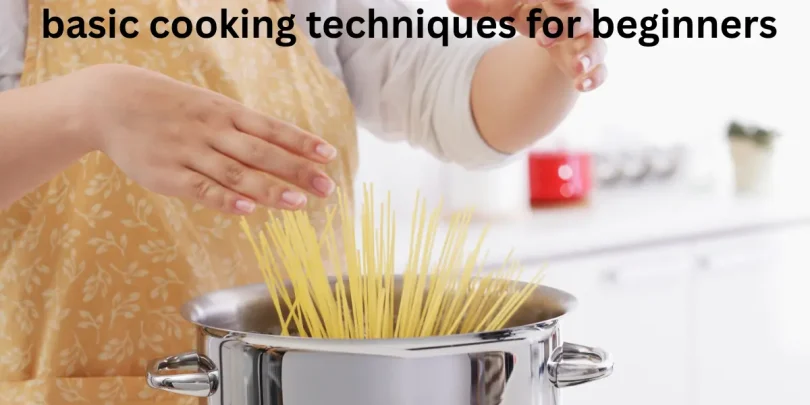

Cooking can feel intimidating when you are just starting out. A recipe may look simple on paper, yet the kitchen can quickly become confusing when you are unsure about heat, timing, seasoning, or preparation.
The good news is that basic cooking techniques for beginners do not require expensive equipment or years of experience. Once you understand a handful of essential methods, everyday cooking becomes easier, faster, and much more enjoyable.
Whether you are preparing your first breakfast, making dinner for your family, or simply trying to become more independent in the kitchen, learning these techniques will give you a solid foundation.
Why Cooking Techniques Matter
A recipe tells you what to cook, but cooking techniques teach you how to cook it.
Two people can use exactly the same ingredients and end up with completely different results. One might produce vegetables that are crisp and colourful, while the other ends up with vegetables that are soggy and overcooked. The difference often comes down to technique.
Good cooking involves understanding a few important things:
- How much heat to use
- When to add ingredients
- How to prepare ingredients properly
- How long different foods need to cook
- How to season food
- How to recognise when something is done
You do not need to master everything at once. Start with the methods you are most likely to use, practise them repeatedly, and gradually add new skills.
Learn Proper Knife Skills
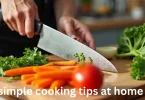
Before you start cooking, learn how to handle a kitchen knife safely. Knife skills are among the most useful abilities a beginner can develop.
A sharp knife is usually safer than a dull one because it requires less force and gives you better control. Always place your cutting board on a stable surface and keep your fingers away from the blade.
Basic Cutting Techniques
Start by practising simple cuts such as:
- Slicing: Cutting ingredients into thin pieces.
- Dicing: Cutting food into small cubes.
- Chopping: Cutting ingredients into rough, manageable pieces.
- Mincing: Cutting ingredients into very small pieces, commonly used for garlic and herbs.
You do not need restaurant-quality knife skills immediately. Focus on making your cuts reasonably even. Consistent pieces cook at a similar rate, which makes your food more evenly prepared.
Master Boiling

Boiling is one of the simplest cooking methods, but it is still important to understand how it works.
Water boils at approximately 100°C at sea level. Once it reaches boiling point, you can use it to cook pasta, potatoes, vegetables, eggs, and many other foods.
Fill a suitable saucepan with enough water to cover the ingredients. Place it over the heat and wait until the water reaches a strong boil.
Avoid Overboiling
A common beginner mistake is leaving the heat on maximum throughout the entire cooking process. Once the water reaches a boil, you can often reduce the heat slightly to maintain it without creating unnecessary splashing.
Boiling is particularly useful when you want tender food without adding much fat.
Understand Simmering
Simmering is similar to boiling, but gentler.
Instead of large, rapidly moving bubbles, simmering produces smaller bubbles that rise gradually to the surface. This makes it useful for soups, sauces, curries, stews, and other dishes that need longer cooking.
When Should You Simmer?
Use simmering when food needs time to develop flavour without being aggressively cooked.
For example, a tomato sauce can become richer and thicker when gently simmered. A curry can also benefit from slow cooking because the ingredients have more time to blend together.
The key is patience. Turning the heat too high does not necessarily make food better or faster.
Get Comfortable With Sautéing
Sautéing is one of the most useful techniques for everyday meals.
It involves cooking relatively small pieces of food quickly in a small amount of oil or another cooking fat over medium to medium-high heat.
You can sauté:
- Onions
- Garlic
- Peppers
- Mushrooms
- Chicken pieces
- Green beans
- Other vegetables
Start by heating your pan and adding a suitable amount of oil. Add your ingredients once the pan is ready, then stir or toss them as needed.
Do Not Overcrowd the Pan
This is an important lesson for beginners.
If you put too much food into a pan at once, the temperature can drop and ingredients may release moisture. Instead of browning nicely, they can become soft and watery.
If necessary, cook in batches.
Learn How to Fry Safely
Frying can produce wonderfully crisp food, but it requires careful attention.
There are different forms of frying, including shallow frying, pan-frying, and deep-frying. Each uses different amounts of oil and requires different levels of heat.
For beginners, pan-frying is a useful place to start.
Use a suitable pan, avoid filling it excessively with oil, and keep handles turned away from the edge of the stove. Never leave hot oil unattended.
Why Temperature Matters
If the oil is too cool, food can absorb excessive oil and become greasy. If it is too hot, the outside may burn before the inside is properly cooked.
Learning to recognise the correct temperature is a skill that improves with practice.
Try Roasting
Roasting uses dry heat, usually in an oven, to cook food.
It is particularly useful for vegetables, potatoes, chicken, fish, and certain cuts of meat.
One of the best things about roasting is how little hands-on work it can require. Prepare your ingredients, season them, place them on a suitable tray, and let the oven do much of the work.
Simple Roasting Tips
Cut vegetables into similar-sized pieces so they cook evenly. Avoid packing the tray too tightly because crowded ingredients can steam rather than roast.
A little oil, salt, pepper, and your favourite herbs can be enough to create a delicious roasted dish.
Understand Baking
Baking is another essential technique, especially if you enjoy bread, cakes, biscuits, pastries, or baked savoury dishes.
Unlike cooking on a stovetop, baking usually depends heavily on accurate temperature and measurements.
This means beginners should avoid making unnecessary changes to a baking recipe until they understand how the ingredients work together.
Why Measurement Matters
A small change in flour, liquid, sugar, or raising agents can affect the final result significantly.
When you are learning, use measuring cups, measuring spoons, or a kitchen scale where appropriate.
Also remember to preheat the oven when the recipe requires it. Putting food into a cold oven can change the cooking time and texture.
Learn the Art of Steaming
Steaming cooks food using hot steam rather than placing it directly into boiling water or oil.
It is a gentle technique that works particularly well for vegetables, fish, dumplings, and some grains.
The method is straightforward. Water is heated underneath a steaming basket or suitable setup, while the food sits above the water and cooks from the rising steam.
Steaming is useful when you want tender food without relying heavily on oil.
Practice Grilling
Grilling exposes food to direct heat and can create a delicious browned exterior.
You can grill vegetables, chicken, fish, sandwiches, and many other foods.
The biggest beginner lesson is not to walk away from the grill. Food can go from perfectly browned to burnt surprisingly quickly.
Turn ingredients when necessary and pay attention to their appearance and texture.
If you are grilling meat, use appropriate food-safety practices and check that it has reached a safe internal temperature.
Learn How to Season Food
Cooking techniques are important, but seasoning can completely change the final dish.
Salt is one of the most important seasonings because it enhances the natural flavours of food. However, adding too much at once can be difficult to correct.
Season Gradually
Instead of adding a large amount of salt at the beginning, add a little, taste when appropriate, and adjust.
Other common flavour boosters include:
- Black pepper
- Garlic
- Ginger
- Chilli
- Lemon juice
- Fresh herbs
- Dried herbs
- Spices
Learning how different seasonings work together takes time. Taste your food throughout the cooking process when it is safe to do so.
Learn to Control Heat
One of the biggest differences between a beginner and a more confident cook is often heat control.
Many beginners assume that high heat means faster and better cooking. In reality, excessive heat can burn the outside of food while leaving the inside undercooked.
Low Heat
Low heat is useful for gentle cooking, melting, keeping food warm, and slowly developing flavours.
Medium Heat
Medium heat is suitable for many everyday tasks, including sautéing vegetables and cooking eggs.
High Heat
High heat can be useful for quickly searing or browning food, but it requires close attention.
Do not be afraid to adjust the heat during cooking. The stove setting is not something you have to choose once and leave unchanged.
Learn How to Sear
Searing means cooking food at relatively high heat to create a browned exterior.
It is commonly used for meat, fish, tofu, and vegetables.
For a good sear, the cooking surface should be properly heated and the food should not be excessively wet. Patting ingredients dry before cooking can help with browning.
Avoid constantly moving the food around the pan. Allowing one side to remain in contact with the hot surface gives it time to develop colour.
Understand the Importance of Preheating
Preheating is easy to overlook, especially when you are hungry and ready to start cooking.
However, starting with the correct temperature can make a significant difference.
Preheat your oven before baking or roasting when required. Similarly, allow a pan to heat appropriately before adding ingredients for techniques such as sautéing or searing.
This small habit can make your cooking more consistent.
Avoid Common Beginner Mistakes
Everyone makes mistakes in the kitchen. In fact, mistakes are often how you learn.
One common problem is trying to rush everything. Cooking takes time, and increasing the heat is not always the answer.
Another mistake is failing to prepare ingredients before starting. Chopping vegetables while something is already burning in the pan can quickly turn a simple recipe into a stressful situation.
Read the Recipe First
Before turning on the stove, read the entire recipe.
Check which ingredients you need, how they should be prepared, and what order they are added in.
This simple habit can save you from discovering halfway through cooking that an important ingredient needed to be prepared earlier.
Prepare Your Ingredients First
Professional kitchens often use the term “mise en place,” which essentially means having ingredients prepared and organised before cooking.
You do not need a professional kitchen to use this idea.
Wash and chop vegetables, measure spices, prepare sauces, and organise your ingredients before you begin.
When everything is ready, cooking becomes much calmer.
Learn to Taste as You Cook
One of the easiest ways to improve is to taste your food during the cooking process when it is safe and appropriate.
Ask yourself:
- Does it need more salt?
- Is the flavour too strong?
- Does it need acidity?
- Is the texture right?
- Does it need more cooking time?
Taste helps you understand what different ingredients contribute to a dish.
Over time, you will begin to recognise when something needs adjustment without relying entirely on a recipe.
Do Not Ignore Food Safety
Cooking well also means cooking safely.
Wash your hands before handling food and keep raw meat separate from ready-to-eat ingredients. Use clean utensils and cutting boards, and refrigerate perishable foods appropriately.
Be particularly careful with raw poultry, meat, seafood, and eggs.
When you are unsure whether food is properly cooked, use a food thermometer rather than relying only on colour.
Good food should be enjoyable, but it should also be safe.
Start With Simple Meals
You do not need to prepare complicated restaurant-style dishes to become a better cook.
Start with meals that allow you to practise individual techniques.
For example, you might begin with:
- Scrambled eggs and toast
- Sautéed vegetables
- Pasta with a simple sauce
- Roasted potatoes
- Vegetable soup
- Grilled chicken
- Fried rice
- Simple omelettes
Once you become comfortable with these dishes, you can experiment with more complicated recipes.
Build Your Cooking Confidence Through Practice
Imagine making an omelette for the first time. You might use too much heat, break it while flipping, or add too many fillings.
The next time, you adjust the heat.
The third time, you flip it more carefully.
Eventually, the process becomes almost automatic.
That is how cooking skills develop. You practise, notice what went wrong, make an adjustment, and try again.
Do not judge your progress based on whether every meal looks perfect. Pay attention to whether you are learning something new.
You may also like these
Brilliant Tips on How to Keep Kitchen Clean Daily
Easy Secrets for How to Clean Kitchen Countertops
Easy Ways: How to Remove Kitchen Grease for Good
Brilliant Easy Kitchen Cleaning Tips for a Fresh Kitchen
Easy Secrets: How to Clean Kitchen Appliances
Keep Your Kitchen Organised
A clean and organised workspace makes cooking easier.
Keep commonly used tools within easy reach and clean as you go whenever possible. Do not allow dirty dishes and food packaging to take over your workspace.
An organised kitchen also makes it easier to concentrate on the food itself.
You will be less likely to forget ingredients, knock something over, or lose track of what you are doing.
Final Thoughts
Becoming a confident cook is not about knowing hundreds of recipes. It is about understanding what happens when heat meets food, how ingredients behave, and how small adjustments can change a dish. Start with simple meals, practise one technique at a time, and do not be discouraged by occasional mistakes.
Every burnt onion, unevenly chopped vegetable, and over-seasoned dish can teach you something useful. With patience and regular practice, basic cooking techniques for beginners can become the foundation for creating delicious meals with confidence, creativity, and far less stress in the kitchen.
FAQs
What are the basic cooking techniques for beginners?
Basic techniques include boiling, steaming, sautéing, frying, roasting, baking, grilling, simmering, and braising. Learning these methods gives beginners a strong foundation in the kitchen.
What cooking technique should a beginner learn first?
Sautéing is a useful technique to learn early because it teaches you how to control heat, use oil properly, and cook ingredients evenly.
How can beginners improve their cooking skills?
Beginners can improve by practising simple recipes regularly, learning proper knife skills, understanding heat control, seasoning gradually, and tasting food as they cook.
What are the easiest cooking methods for beginners?
Boiling, steaming, baking, and simmering are generally straightforward methods. They require relatively simple preparation and can help beginners become comfortable with cooking.
Why is heat control important in cooking?
Heat control prevents food from burning or remaining undercooked. Learning when to use low, medium, or high heat helps ingredients cook properly and improves their texture and flavour.