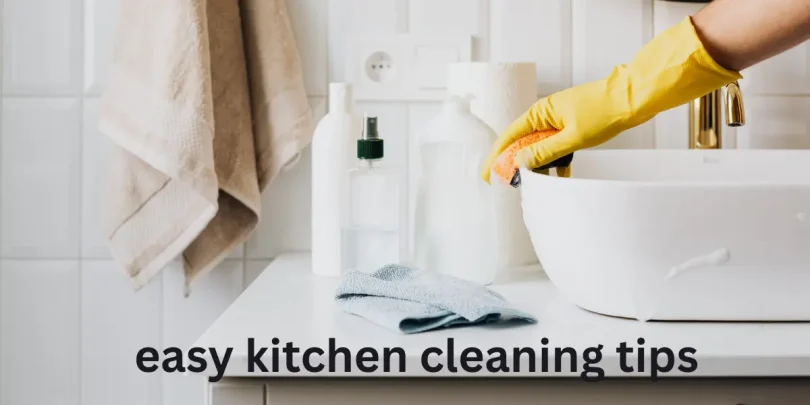

A clean kitchen can completely change the feel of your home. When counters are clear, dishes are put away, and surfaces are free from grease, cooking feels easier and the whole space feels more comfortable.
Easy kitchen cleaning tips can help you keep everything under control without spending hours scrubbing every corner. The secret is not always cleaning harder; it is knowing what to clean, when to clean it, and which small habits make the biggest difference.
Why Keeping Your Kitchen Clean Matters

The kitchen is one of the busiest areas in most homes. Food is prepared, dishes are washed, groceries are unpacked, and spills happen throughout the day. Without regular cleaning, grease, crumbs, food stains, and unpleasant smells can quickly build up.
Regular cleaning also makes deep cleaning less overwhelming. Instead of facing a mountain of dirty dishes and sticky surfaces at the end of the week, you can handle small tasks as they appear.
A clean kitchen can also make cooking more enjoyable. When your ingredients, utensils, and appliances are easy to find, preparing meals becomes much less frustrating.
Start With a Simple Kitchen Cleaning Routine
You do not need to clean your entire kitchen every time you walk into it. A simple routine can keep the mess manageable.
Clear the Clutter First
Before reaching for a cleaning product, put away anything that does not belong on the counters. Return spices to their shelves, place appliances where they belong, and put away groceries.
Cleaning around clutter takes longer and often leaves areas untouched. A clear counter gives you more space to work and makes the kitchen look cleaner immediately.
Deal With the Dishes
Dirty dishes can make even a relatively tidy kitchen look messy. Wash them, load the dishwasher if you have one, or at least organize them neatly until you can clean them.
Do not forget cups, cooking utensils, chopping boards, and pans. Food residue becomes harder to remove when it sits for too long.
Wipe Surfaces
Use a suitable kitchen cleaner or warm soapy water to wipe countertops, tables, stovetops, and other commonly used surfaces.
Pay particular attention to areas around the sink and stove because they often collect water, crumbs, oil, and food residue.
Clean From Top to Bottom

One of the simplest ways to make cleaning more efficient is to work from higher surfaces toward lower ones.
If you clean the floor first and then wipe your countertops, crumbs and dust can fall onto the freshly cleaned floor. Instead, clean upper surfaces first and leave the floor until the end.
A practical order is:
- Upper shelves and cabinet exteriors
- Appliances
- Countertops
- Sink
- Lower cabinets
- Floor
This approach saves time because you are not repeatedly cleaning the same area.
Tackle Kitchen Grease Before It Builds Up
Grease is one of the biggest reasons kitchens start looking dirty. It can settle on stovetops, cabinet doors, range hoods, backsplashes, and nearby walls.
Fresh grease is usually much easier to remove than old, hardened buildup.
Clean the Stovetop Regularly
Allow the stovetop to cool before cleaning it. Remove loose crumbs and food particles, then wipe the surface with a suitable cleaner.
For stubborn grease, let an appropriate cleaning solution sit for a short time before wiping. Avoid using abrasive materials on surfaces that can scratch easily.
Do Not Forget the Range Hood
The range hood helps remove cooking fumes, but it can also collect grease over time. Wipe the exterior regularly and clean the filter according to the manufacturer’s instructions.
A neglected range hood can become one of the greasiest areas in the kitchen.
Keep Kitchen Cabinets Looking Fresh
Cabinet doors are easy to overlook because they are not always obviously dirty. However, fingerprints, cooking grease, dust, and splashes can gradually build up.
Wipe Cabinet Handles
Handles receive frequent contact throughout the day. Wipe them regularly, especially if someone has been cooking or handling raw food.
Clean Cabinet Doors
Use a cleaner appropriate for the cabinet material. Avoid soaking wooden cabinets because excessive moisture can damage the finish. For everyday maintenance, a soft cloth can often remove fingerprints and light dust before they become harder to clean.
Give Your Sink Extra Attention
A clean sink can make the entire kitchen feel fresher. After washing dishes, rinse away food particles and wipe the basin. Pay attention to the edges, faucet, handles, and drain area.
Clean the Faucet
Water spots can make a clean faucet look dull. Wipe it regularly with a soft cloth to remove water and residue. If mineral deposits have accumulated, use a cleaning method that is suitable for the faucet’s material and finish.
Do Not Ignore the Drain
Food particles and residue can contribute to unpleasant smells. Keep food scraps out of the drain and clean the surrounding area regularly. Avoid mixing different cleaning chemicals, especially products containing bleach with other household cleaners.
Make Your Refrigerator Easier to Maintain
The refrigerator is another kitchen area that benefits from regular attention. Wipe spills as soon as possible. Sticky sauces and food residue become much harder to remove once they dry.
Check Expired Food
Every week or two, quickly check containers and packages. Remove anything that is spoiled or past its safe use period. Keeping the refrigerator organized also makes it easier to notice spills and clean individual shelves.
Clean Refrigerator Shelves
Remove items from one section at a time so that food does not remain outside the refrigerator longer than necessary. Wipe shelves and drawers with an appropriate cleaner and dry them before replacing food.
Keep Small Appliances Clean
Small appliances can quickly collect crumbs, splashes, and fingerprints. Toasters, microwaves, kettles, coffee makers, air fryers, and blenders all need occasional cleaning.
Clean the Microwave
Wipe the inside regularly, particularly after heating foods that splatter. A suitable cleaning method can loosen dried food and make wiping easier.
Clean the turntable separately if it is removable.
Clean the Toaster
Unplug the toaster before cleaning it. Empty the crumb tray regularly and carefully remove loose crumbs.
Never put water inside an electrical appliance.
Look After Your Air Fryer
Allow the appliance to cool before cleaning. Remove washable parts according to the manufacturer’s instructions and clean away grease and food residue.
Regular cleaning prevents old food particles from affecting the smell of freshly prepared meals.
Clean Kitchen Floors the Easy Way
Kitchen floors collect crumbs, dust, water, grease, and food particles throughout the day.
Start by sweeping or vacuuming loose debris. Then mop using a cleaning solution appropriate for your flooring.
Deal With Spills Quickly
A small spill can become sticky and attract more dirt if it is left on the floor. Cleaning it immediately is usually much easier than scrubbing dried residue later.
Pay particular attention to areas around the stove, sink, refrigerator, and dining table.
Do Not Forget the Kitchen Walls
Walls and backsplashes can collect cooking splashes, especially behind the stove.
Wipe visible stains regularly rather than waiting for layers of grease to accumulate.
For painted walls, use a gentle method that will not damage the paint. Always consider the surface material before applying a cleaning product.
Clean Sponges and Dishcloths Regularly
Cleaning tools can become dirty themselves. A sponge that is repeatedly used without being cleaned or replaced can develop unpleasant smells and collect food residue.
Rinse dishcloths thoroughly after use and allow them to dry completely. Wash reusable cloths regularly and replace worn-out sponges when necessary.
Keeping cleaning tools fresh makes your kitchen routine more hygienic and pleasant.
Use the Right Cleaning Tools
You do not need a huge collection of products to maintain a clean kitchen. A few useful tools can handle most everyday tasks.
Consider keeping:
- Microfiber cloths
- Scrubbing sponges
- A soft cleaning brush
- Dish soap
- A suitable kitchen surface cleaner
- A broom or vacuum
- A mop
- Reusable cleaning gloves
- Paper towels for certain spills
Keep cleaning products organized in one safe location so you do not waste time looking for them.
Create a 10-Minute Daily Cleaning Habit
One of the best ways to prevent a messy kitchen is to spend a few minutes cleaning every day.
You could divide your routine like this:
Minute 1–3: Clear the Counters
Put away food, appliances, dishes, and anything else that has been left out.
Minute 4–6: Wash and Organize Dishes
Clean dishes and return them to their proper places.
Minute 7–8: Wipe Surfaces
Clean the counters, stovetop, table, and other frequently touched areas.
Minute 9–10: Sweep
Quickly sweep visible crumbs and debris from the floor. Ten minutes may not sound like much, but doing this consistently can prevent a much larger cleaning job later.
Make Cleaning Easier While You Cook
You do not have to wait until cooking is finished to start cleaning.
While something is simmering or baking, wash a utensil, wipe a counter, or put ingredients back into the cupboard. Keep a bowl nearby for vegetable peels and food scraps while preparing ingredients. This keeps your workspace organized and reduces trips to the rubbish bin.
Another useful habit is washing utensils that you have finished using instead of leaving everything in the sink.
Handle Spills Immediately
A fresh spill usually takes seconds to wipe. A dried spill may require soaking, scrubbing, and repeated cleaning.
This is especially true for sauces, sugary foods, oil, and other sticky ingredients. Keep a clean cloth somewhere accessible so you can deal with small accidents immediately.
Give Your Kitchen a Weekly Deep Clean
Daily maintenance keeps the kitchen under control, but some areas still need a deeper clean.
Once a week, consider cleaning:
- Cabinet handles and doors
- Appliance exteriors
- Microwave interior
- Refrigerator shelves that need attention
- Sink and faucet
- Stovetop
- Backsplash
- Floor edges
- Frequently touched surfaces
You do not necessarily need to complete every task on the same day. Divide them throughout the week if that feels more manageable.
Clean One Area at a Time
Trying to clean the entire kitchen simultaneously can make the task feel exhausting.
Instead, choose one area and finish it before moving to another. For example, start with the countertop, then clean the stovetop, then move to the sink. Once those areas are finished, move to the floor.
This gives you visible progress and makes the job feel more achievable.
Avoid Common Kitchen Cleaning Mistakes
Even with good intentions, certain habits can make cleaning harder.
Using Too Much Cleaner
More cleaning product does not automatically mean better results. Excess product can leave residue behind and may make surfaces sticky.
Follow the directions on the product you are using.
Using the Same Cloth Everywhere
A cloth used for the floor should not be used on food-preparation surfaces. Keep cleaning tools designated for different areas where possible.
Ignoring Hidden Areas
The tops of cabinets, underneath appliances, behind bins, and inside drawers can collect dust and grime. They do not need daily attention, but adding them to your occasional deep-cleaning routine prevents buildup.
Mixing Cleaning Products
Never mix household cleaning chemicals unless the product instructions specifically say that they can be combined. Some combinations can create dangerous fumes.
Make Kitchen Cleaning a Family Routine
Cleaning does not always have to be one person’s responsibility.
If several people use the kitchen, simple shared responsibilities can make the workload much lighter. One person can wash dishes while another wipes counters. Someone else can sweep the floor or put groceries away.
Even children can handle age-appropriate tasks such as putting away utensils or wiping a table with a safe cloth under supervision.
Keep Cleaning Supplies Within Reach
If cleaning supplies are difficult to find, you are less likely to deal with small messes immediately.
Create a dedicated, organized storage area for your kitchen cleaning essentials. Keep products safely away from food, children, and pets. An organized cleaning cupboard can save time and prevent unnecessary clutter.
Build Habits Instead of Waiting for a Mess
The easiest kitchens to maintain are usually not cleaned for hours every day. They are maintained through small, consistent habits.
Wash dishes after meals. Wipe spills immediately. Clear the counters before going to bed. Sweep visible crumbs. Put ingredients away after cooking.
These simple actions prevent small messes from becoming major cleaning projects.
You may also like these
Small Kitchen Ideas for Home You’ll Love
Stunning Modern Kitchen Ideas on Budget
Genius Kitchen Storage Ideas for Small Spaces
Simple Kitchen Organization Ideas for a Clutter-Free Home
Brilliant Small Kitchen Layout Ideas That Wow
A Simple Kitchen Cleaning Checklist
For a quick daily routine, use this checklist:
- Wash or organize dishes
- Clear countertops
- Wipe the stovetop
- Clean the sink
- Wipe frequently touched handles
- Put food away
- Empty rubbish when necessary
- Sweep visible crumbs
For a weekly routine, add:
- Clean cabinet doors
- Wipe appliance exteriors
- Clean the microwave
- Deep-clean the sink
- Clean the refrigerator where needed
- Mop the floor
- Clean the backsplash
- Wash reusable cleaning cloths
Final Thoughts
A spotless kitchen does not require endless scrubbing or an exhausting weekend cleaning session. Small habits, smart routines, and regular attention can keep the space fresh without taking over your day. Start with the areas you use most, deal with spills quickly, and give yourself a simple routine that you can actually maintain. With the right easy kitchen cleaning tips, keeping your kitchen clean can become a simple part of everyday life rather than a chore you constantly have to put off.
FAQs
What are the easiest kitchen cleaning tips?
The easiest kitchen cleaning tips include wiping surfaces daily, cleaning spills immediately, washing dishes regularly, disinfecting high-touch areas, and keeping appliances free from grease and buildup.
How often should I clean my kitchen?
Wipe counters and clean dishes daily. Deep-clean appliances, cabinets, floors, and other areas weekly or as needed to prevent stubborn dirt and grease.
How can I clean my kitchen quickly?
Start by clearing clutter, putting dishes away, wiping countertops, cleaning the sink, and sweeping or mopping the floor. Working in this order makes the process faster and more organized.
What is the best way to remove kitchen grease?
Use warm water with a suitable dish soap or degreasing cleaner. Allow the solution to sit on greasy surfaces for a few minutes before wiping them clean.
How can I keep my kitchen smelling fresh?
Empty the rubbish regularly, clean the sink and drains, wipe down food-preparation surfaces, and avoid leaving dirty dishes or damp cloths around the kitchen.