A clean kitchen feels brighter, fresher, and far more inviting, but greasy surfaces can quickly make even a tidy space look neglected. Cooking oils, splashes, and food residue often leave behind a sticky film that becomes harder to clean when it sits for too long. How to remove kitchen grease depends on the surface, the type of buildup, and how long the grease has been there.
The good news is that you do not need complicated equipment or hours of scrubbing to get your kitchen looking fresh again. With a few simple cleaning products, the right technique, and a little patience, you can tackle greasy cabinets, countertops, stovetops, walls, appliances, and other common kitchen surfaces.
Why Does Kitchen Grease Build Up?

Grease is an unavoidable part of cooking, especially when you fry, sauté, roast, or prepare foods with oil. Tiny droplets of cooking oil can become airborne and settle on nearby surfaces. Steam and heat can make the problem worse by helping the oil spread across cabinets, walls, and appliances.
At first, the residue may barely be noticeable. You might simply wipe the surface with a dry cloth and think the job is done. However, a thin layer can remain behind. Over time, dust sticks to that residue, creating a thicker and darker layer of grime.
Fresh grease is usually much easier to remove than old, hardened grease. That is why regular cleaning can save considerable time later.
What You Need to Remove Kitchen Grease
You probably already have most of the supplies needed for everyday grease removal.
Basic Cleaning Supplies
- Dishwashing liquid
- Warm water
- Microfiber cloths
- Soft sponge
- Baking soda
- White vinegar for suitable surfaces
- A soft-bristled brush
- Clean towels
- A spray bottle
- Kitchen degreaser for particularly stubborn buildup
The key is not simply choosing a strong cleaner. Using the right product for the right surface is more important. Delicate finishes can become scratched, dull, or damaged when exposed to abrasive cleaners or excessive scrubbing.
Start With Warm Soapy Water
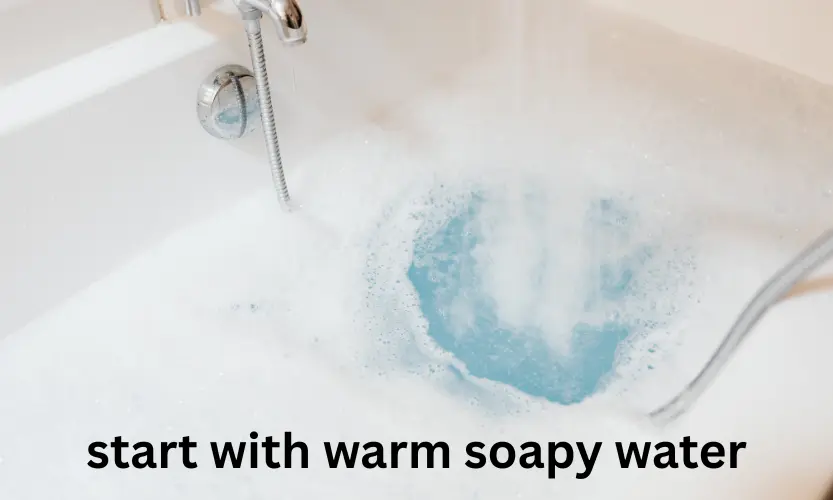
For most fresh grease, warm water and dishwashing liquid are an excellent starting point. Dish soap is designed to break down oily residue, making it particularly useful for everyday kitchen cleaning.
Mix a small amount of dish soap with warm water. Dip a microfiber cloth or soft sponge into the solution and wring it out so it is damp rather than soaking wet. Wipe the greasy area gently. If the grease is stubborn, leave the soapy solution on the surface for a few minutes before wiping again.
Once the grease has been removed, wipe the surface with a clean damp cloth to remove soap residue. Finish by drying it with a clean towel. This simple method works particularly well for countertops, cabinet surfaces, appliance exteriors, and other washable areas.
How to Remove Kitchen Grease From Cabinets
Kitchen cabinets are among the first places where grease becomes noticeable. Cabinets positioned close to the stove can develop a sticky film that attracts dust and makes the doors look dull.
For Fresh Grease
Mix warm water with a small amount of dish soap. Use a soft microfiber cloth to wipe the cabinet doors, handles, and edges. Do not soak wooden or wood-look cabinets. Excess moisture can damage certain finishes and may cause swelling or discoloration.
After cleaning, wipe the cabinets with a clean damp cloth and dry them immediately.
For Stubborn Cabinet Grease
If ordinary soapy water is not enough, create a gentle baking soda paste by mixing baking soda with a small amount of water.
Apply a small amount to the greasy area and gently work it with a soft cloth or sponge. Avoid aggressive scrubbing, particularly on painted or delicate finishes. Remove the paste with a damp cloth and dry the cabinet thoroughly.
Always test any homemade or commercial cleaner on a hidden area first.
How to Remove Grease From Kitchen Walls
Walls near cooking areas can collect a surprising amount of oily residue. The grease may not be obvious until you wipe the surface and notice a yellowish or sticky film. Start with warm water and dish soap. Use a soft sponge or microfiber cloth and work in small sections.
Do not flood the wall with water. Excess moisture can seep into seams, damage certain finishes, or create other problems. For painted walls, be especially gentle. Some paints are more washable than others, and aggressive scrubbing can remove the finish.
Once the grease is gone, wipe the area with a clean damp cloth and dry it.
How to Remove Grease From a Stovetop
The stovetop often has some of the toughest grease because cooking oil is exposed directly to heat. Before cleaning, make sure the stovetop is switched off and completely cool. Remove loose crumbs and food particles first. Then apply warm soapy water with a soft cloth or sponge. For stubborn grease, allow the cleaner to sit for several minutes. This gives it time to loosen the residue instead of forcing you to scrub aggressively.
Glass stovetops require extra care. Avoid abrasive materials that can scratch the surface. Follow the manufacturer’s cleaning instructions whenever possible.
For removable burner components, check whether they can safely be washed with warm soapy water before cleaning them separately.
How to Remove Grease From Kitchen Appliances
Appliances can quickly develop a greasy coating, particularly when they are located close to the stove.
Microwave
Mix warm water with a little dish soap and wipe the exterior with a soft cloth. For the interior, loosen dried food and grease first rather than immediately scrubbing.
A bowl of water heated inside the microwave can create steam that softens stuck-on residue. Let the interior cool enough to handle safely, then wipe it clean.
Range Hood
Range hoods and filters can collect large amounts of grease because they sit directly above cooking areas. Wipe the exterior with warm soapy water. If the filter is removable, check the manufacturer’s instructions before washing it.
A greasy filter should not simply be ignored. Regular cleaning helps keep the hood looking cleaner and prevents layers of buildup from becoming difficult to remove.
Refrigerator
For greasy spots on refrigerator doors and handles, warm soapy water is usually enough. Dry the surface afterward to prevent streaks. Pay special attention to handles because they are touched frequently and can collect both grease and everyday grime.
How to Remove Old, Hardened Grease
Old grease is more difficult because it has had time to dry and harden. Instead of immediately reaching for the strongest cleaner available, soften the buildup first. Apply warm soapy water to the area using a cloth. Let it sit for several minutes. Then gently wipe the softened residue away.
For particularly stubborn areas, a baking soda paste can provide mild scrubbing power. Apply it carefully and avoid using it on surfaces that could be scratched or damaged.
If the grease still refuses to budge, a commercial kitchen degreaser may be appropriate. Always read the label and make sure the product is suitable for the surface you are cleaning.
Can Baking Soda Remove Kitchen Grease?
Baking soda can be useful for dealing with greasy residue, especially when combined with a little water to form a paste.
Its mild abrasive texture can help lift stubborn grime without requiring excessive pressure. However, “natural” does not automatically mean “safe for every surface.”
Avoid using baking soda aggressively on delicate finishes, polished surfaces, or materials that can scratch easily. When in doubt, test a small hidden area first.
Can Vinegar Remove Kitchen Grease?
Vinegar can help with certain types of kitchen residue, but it is not the best choice for every grease problem. It may be useful for general cleaning and some residue, but heavy grease often responds better to a dishwashing solution or a dedicated degreaser.
More importantly, vinegar should never be mixed with bleach or other incompatible cleaning products. Mixing household cleaners can produce dangerous fumes or chemical reactions.
The safest approach is to use one suitable cleaner at a time and follow the product’s directions.
How to Remove Grease From Kitchen Floors
Grease on the floor is more than an appearance problem because it can make the surface slippery. Start by removing loose dirt and crumbs. Then mop the area with warm water and a suitable floor cleaner.
For a small greasy spot, use a cloth or sponge with a little dish soap if the flooring material permits it. Rinse away cleaning residue afterward. Soap left on the floor can create its own slippery film.
Always consider the flooring material before choosing a cleaning solution. Wood, natural stone, laminate, tile, and vinyl may require different care.
How to Remove Grease From Kitchen Handles
Cabinet handles, refrigerator handles, oven handles, and drawer pulls can become surprisingly greasy because they are touched while cooking. A microfiber cloth dampened with warm soapy water is usually enough for everyday buildup.
For textured handles, use a soft toothbrush or small soft-bristled brush to reach around edges and grooves.
Wipe with a clean damp cloth afterward and dry thoroughly. Cleaning handles regularly takes only a few minutes but can make the entire kitchen feel noticeably fresher.
Common Mistakes to Avoid When Cleaning Grease
Removing grease is not just about scrubbing harder. Some cleaning habits can actually make the process more difficult.
Using Too Much Cleaner
More cleaning product does not necessarily mean better results. Excess cleaner can leave a sticky residue that attracts more dirt. Use enough to loosen the grease, then rinse or wipe the surface thoroughly.
Scrubbing Too Hard
Aggressive scrubbing can scratch surfaces or damage finishes. Let the cleaning solution do some of the work by allowing it to sit for a few minutes before wiping.
Ignoring the Edges
Grease often hides around cabinet edges, appliance handles, backsplash seams, and corners. These areas should be included in your cleaning routine rather than focusing only on large, visible surfaces.
Using the Same Cleaner Everywhere
A product that works perfectly on a stovetop may not be appropriate for painted cabinets or natural stone. Always consider the material before applying a cleaner.
Mixing Cleaning Products
Never randomly combine household cleaning products. Some combinations can create harmful fumes. If one product does not work, rinse the surface appropriately before trying another compatible cleaner.
How to Prevent Kitchen Grease From Building Up
Cleaning becomes much easier when you prevent grease from becoming a thick layer in the first place.
Wipe Splashes Immediately
A quick wipe after cooking can prevent fresh grease from drying onto the surface. Keep a clean microfiber cloth nearby so small messes do not turn into major cleaning jobs.
Clean the Stove Regularly
Do not allow layers of oil and food residue to accumulate around burners and cooking surfaces. A few minutes of cleaning after cooking can save much more time later.
Keep the Range Hood Clean
A properly maintained range hood can help reduce the amount of airborne cooking residue settling around the kitchen. Check and clean its components according to the manufacturer’s instructions.
Wash Cabinet Handles Frequently
Handles are easy to overlook, but they are touched constantly. A quick wipe once or twice a week can prevent greasy buildup.
Use Splatter Protection
When frying or cooking foods that produce a lot of oil splatter, use an appropriate splatter screen where suitable. This can significantly reduce the amount of grease landing on nearby surfaces.
A Simple Weekly Kitchen Grease-Cleaning Routine
You do not need to deep-clean every surface every day. A simple routine can keep grease under control.
Start by wiping the stovetop after cooking. Clean frequently touched handles and wipe obvious splashes from cabinets and walls. Once a week, give the stovetop, range hood exterior, cabinet fronts near the cooking area, backsplash, and appliance handles a more thorough cleaning.
Every few weeks, inspect areas that are easy to forget, such as the sides of appliances, cabinet edges, corners, and the area around the range hood. This approach prevents small amounts of grease from becoming a large, frustrating cleaning project.
How Long Does It Take to Remove Kitchen Grease?
The amount of time depends on how severe the buildup is.
Fresh grease can often be removed in just a few minutes with warm soapy water. Moderate buildup may require several cleaning passes. Old, hardened grease can take considerably longer because it needs time to soften before it can be wiped away.
Instead of spending twenty minutes aggressively scrubbing one spot, apply an appropriate cleaner, let it work for a few minutes, and then wipe. Repeating this process is often more effective than using excessive force.
When Should You Use a Commercial Degreaser?
A commercial degreaser can be useful when ordinary dish soap is not strong enough to remove heavy buildup. It can be particularly helpful for areas that regularly come into contact with cooking oils.
However, read the label carefully. Some degreasers are too harsh for painted cabinets, delicate finishes, natural stone, or other sensitive materials. Ventilate the area when required, wear protective gloves if recommended, and never mix the product with other cleaners.
You may also like these
Small Kitchen Ideas for Home You’ll Love
Stunning Modern Kitchen Ideas on Budget
Genius Kitchen Storage Ideas for Small Spaces
Simple Kitchen Organization Ideas for a Clutter-Free Home
Brilliant Small Kitchen Layout Ideas That Wow
Make Kitchen Cleaning Easier With the Right Habit
The biggest secret to a cleaner kitchen is consistency.
Imagine finishing dinner and noticing a few drops of oil around the stove. You could leave them until tomorrow, but tomorrow’s grease will be slightly harder to remove. A few more days can turn those tiny spots into a sticky layer.
Taking two or three minutes to wipe the area while the mess is still fresh can prevent that entire problem. You do not have to clean the entire kitchen every time you cook. Focus on the areas that actually became dirty.
Small habits add up.
Final Thoughts
A greasy kitchen does not have to become a stressful cleaning project. Fresh spills are usually simple to handle, while older buildup may only require a little extra time and patience. Start with gentle methods, choose cleaning products according to the surface, and avoid unnecessary scrubbing or harsh chemicals.
Most importantly, make quick wipe-downs part of your normal cooking routine. A few minutes today can save you from a much bigger cleaning job later. Once you know how to remove kitchen grease, keeping your kitchen fresh, clean, and comfortable becomes a much easier part of everyday life.
FAQs
What is the easiest way to remove kitchen grease?
The easiest method is to use warm water with dish soap. Apply the solution to the greasy surface, let it sit for a few minutes, then wipe it clean with a microfiber cloth.
How do you remove stubborn grease from kitchen cabinets?
Mix warm water with a small amount of dish soap and gently wipe the cabinets. For stubborn buildup, allow the solution to sit briefly before wiping and drying the surface.
Does baking soda remove kitchen grease?
Yes. Baking soda can help loosen stubborn grease. Make a paste with baking soda and a little water, apply it gently to the greasy area, then wipe it away with a damp cloth.
How do you remove old grease from a kitchen?
Start by softening the buildup with warm, soapy water. For tougher grease, use an appropriate kitchen degreaser or baking soda paste, then wipe and rinse the surface thoroughly.
Can vinegar remove kitchen grease?
Vinegar can help cut through some grease and residue, but it is not ideal for every surface. Avoid using acidic cleaners on materials that can be damaged by vinegar.