A well-equipped kitchen can make everyday cooking feel less stressful, more enjoyable, and much more manageable.
Whether you are preparing a quick breakfast or cooking a full family dinner, having the essential kitchen tools for home can save time, improve results, and make food preparation easier.
You do not need dozens of gadgets filling every drawer to create a useful kitchen. A carefully chosen collection of reliable tools can handle most cooking tasks, from chopping vegetables and mixing ingredients to frying, baking, serving, and storing leftovers. The key is knowing which tools you will actually use and choosing items that are practical, durable, and comfortable.
Why the Right Kitchen Tools Matter

Imagine coming home after a long day and deciding to prepare dinner. You have fresh vegetables, spices, chicken, and everything you need for the recipe. But your knife is blunt, your measuring spoons are missing, and you cannot find a suitable spatula.
Suddenly, a simple meal feels like hard work.
Good kitchen tools remove many of these small frustrations. They help you prepare ingredients efficiently, cook food evenly, measure ingredients accurately, and keep your workspace organized.
The right equipment can also encourage you to cook more often. When everything you need is within reach, making a homemade meal becomes much less intimidating.
Must-Have Cutting and Preparation Tools
Food preparation is one of the biggest parts of cooking, so reliable preparation tools deserve a permanent place in your kitchen.
Chef’s Knife
A sharp chef’s knife is arguably one of the most useful tools in any kitchen. It can be used for chopping vegetables, slicing meat, cutting herbs, mincing garlic, and preparing fruit.
Look for a knife that feels comfortable in your hand and has a sturdy blade. You do not necessarily need the most expensive option. A well-made knife that stays sharp and feels balanced can make a noticeable difference.
Remember that a sharp knife is generally easier to control than a dull one. Keep it properly maintained and use an appropriate cutting surface.
Cutting Board
A good cutting board protects your countertops while giving you a stable surface for food preparation.
Wooden, bamboo, plastic, and composite boards are common choices. Having separate boards for different types of food can also make kitchen hygiene easier to manage.
Choose a board that is large enough to comfortably chop ingredients without everything falling onto the counter.
Vegetable Peeler
Peeling potatoes, carrots, cucumbers, apples, and other produce is much easier with a proper vegetable peeler.
A good peeler should glide smoothly without requiring excessive pressure. Its small size also makes it easy to store in a kitchen drawer.
Kitchen Scissors
Kitchen scissors are surprisingly versatile. They can be used for cutting herbs, trimming meat, opening food packaging, and dividing certain foods into smaller pieces.
Unlike ordinary household scissors, kitchen scissors are designed for food-related tasks and are usually easier to clean.
Grater
A box grater or handheld grater can be used for cheese, carrots, potatoes, ginger, garlic, and other ingredients.
It is especially useful when a recipe requires finely shredded or grated ingredients. A sturdy grater with comfortable handling can serve you for years.
Essential Measuring Tools
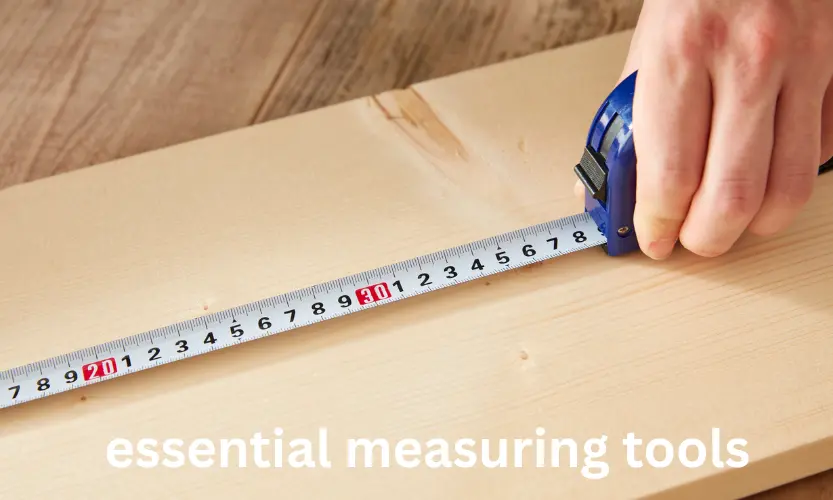
Cooking is not always about guessing. Accurate measurements can make a major difference, particularly when baking.
Measuring Cups
Measuring cups are useful for ingredients such as flour, sugar, rice, milk, oil, and other liquids or dry ingredients.
If you bake regularly, having both dry and liquid measuring equipment can make recipes easier to follow.
Measuring Spoons
Measuring spoons are essential for small quantities of ingredients such as salt, spices, baking powder, vanilla, and sauces.
A complete set usually includes several measurements, allowing you to follow recipes without constantly estimating quantities.
Kitchen Scale
A kitchen scale is particularly valuable for baking and portioning ingredients. Weight measurements can be more precise than volume measurements for certain ingredients.
It is also useful when you want to divide dough, portion ingredients, or maintain consistency between different batches of food.
Essential Cooking Tools
Once your ingredients are prepared, you need dependable tools to turn them into a finished meal.
Frying Pan
A frying pan is one of the most frequently used pieces of cookware in many homes. It can be used for frying eggs, sautéing vegetables, cooking chicken, making pancakes, and preparing countless other dishes.
A medium-sized pan is a practical starting point. If you cook for a large family, a bigger pan may be more convenient.
Choose cookware with a comfortable handle and a cooking surface suited to your stove and cooking habits.
Saucepan
A saucepan is useful for preparing sauces, soups, rice, oatmeal, boiled eggs, and smaller portions of food.
A medium saucepan with a secure lid can cover a surprising number of everyday cooking tasks.
Large Cooking Pot
A large pot is useful when preparing soups, pasta, curries, stews, rice, and meals for several people.
If you regularly cook family-sized meals, a sturdy pot can become one of the most frequently used pieces of cookware in your kitchen.
Baking Tray
Even if you are not an enthusiastic baker, a baking tray can be useful for roasting vegetables, baking chicken, reheating food, and preparing cookies or other baked dishes.
A sturdy tray with an easy-to-clean surface is a practical addition to most kitchens.
Utensils Every Kitchen Needs
Cooking utensils may look simple, but they are responsible for many everyday tasks.
Spatula
A spatula is useful for flipping eggs, pancakes, burgers, vegetables, and other foods. Silicone or heat-resistant options are particularly useful for cookware that requires a gentle surface.
Keep at least one sturdy spatula within easy reach of your cooking area.
Wooden Spoon
A wooden spoon is excellent for stirring sauces, soups, rice, curries, and other dishes.
It is comfortable to hold and does not easily scratch many cooking surfaces. A few different shapes and sizes can be useful if you cook frequently.
Tongs
Tongs provide a secure grip when turning or lifting food. They are useful for cooking meat, vegetables, pasta, and many other ingredients.
A locking mechanism can make storage easier, while heat-resistant handles provide additional comfort.
Whisk
A whisk is essential for combining ingredients smoothly. It can be used for eggs, pancake batter, sauces, dressings, and cream.
For anyone who enjoys baking or making homemade sauces, a whisk quickly becomes a kitchen staple.
Ladle
A ladle makes serving soups, sauces, gravies, and stews much easier. Its deep bowl allows you to transfer liquid foods without making a mess.
Slotted Spoon
A slotted spoon is useful when you need to remove food from liquid while leaving the liquid behind. It can be particularly handy for boiled vegetables, pasta, dumplings, and fried foods.
Useful Tools for Baking
Baking requires patience, accuracy, and a few specialized tools.
Mixing Bowls
A set of mixing bowls in different sizes gives you room to prepare ingredients, mix batter, whisk sauces, and combine salads.
Stainless steel, glass, and durable plastic are common options. Choose bowls that are easy to wash and stack neatly.
Rolling Pin
A rolling pin is useful for cookies, pastry, flatbreads, pizza dough, and other recipes that require flattened dough.
A comfortable grip matters because rolling dough can require repeated movement.
Pastry Brush
A pastry brush can be used to spread butter, oil, egg wash, sauces, and glazes evenly over food.
It is inexpensive but extremely useful for both baking and cooking.
Oven Mitts
Never underestimate the importance of proper heat protection. Oven mitts protect your hands when handling hot trays, pots, and baking dishes.
Choose thick, heat-resistant mitts that provide a secure grip.
Tools That Make Everyday Cooking Easier
Some tools are not strictly necessary, but they can make everyday kitchen tasks considerably more convenient.
Food Thermometer
A food thermometer allows you to check the internal temperature of cooked food instead of relying entirely on appearance.
It can be particularly useful when cooking meat and poultry, helping you avoid serving food that is undercooked or unnecessarily overcooked.
Colander
A colander makes draining pasta, washing vegetables, and rinsing ingredients much easier.
A sturdy colander with comfortable handles is especially useful if you regularly prepare pasta, rice, or fresh produce.
Garlic Press
A garlic press can save time when recipes call for minced garlic. It is particularly convenient when preparing sauces, marinades, and stir-fries.
If you cook with garlic frequently, this small tool can become a favourite.
Can Opener
A reliable can opener is an easy item to overlook until you actually need one.
Canned beans, tomatoes, vegetables, sauces, and other pantry staples often require one, making it a sensible tool to keep in an accessible drawer.
Kitchen Timer
A kitchen timer helps prevent forgotten food from staying in the oven or on the stove for too long.
While phones can perform the same function, a dedicated timer can be convenient when your hands are busy or your phone is being used for a recipe.
How to Choose Quality Kitchen Tools
Buying kitchen equipment is not simply about finding the cheapest option or purchasing every attractive gadget you see.
Consider how frequently you will use each item.
If you cook every day, spend more attention on tools such as knives, frying pans, pots, cutting boards, and utensils. These items experience regular use, so durability and comfort matter.
Focus on Comfort
A tool can be technically excellent and still be unpleasant to use.
Check whether handles feel secure, whether the weight is comfortable, and whether the tool is easy to control.
Choose Durable Materials
Stainless steel, quality wood, sturdy silicone, glass, and other durable materials can provide long-lasting performance when properly maintained.
Avoid buying something simply because it looks attractive. A beautiful tool that breaks easily will not be useful for long.
Think About Cleaning
Kitchen tools come into contact with food every day, so easy cleaning is important.
Look for designs without unnecessary gaps or complicated parts where food can become trapped. If an item is dishwasher-safe, follow the manufacturer’s care instructions to protect its condition.
How to Organize Your Kitchen Tools
Even the best tools become frustrating when you cannot find them.
Keep frequently used utensils close to your main preparation and cooking areas. Drawer organizers can separate measuring spoons, peelers, scissors, and smaller utensils. A utensil holder can keep spatulas, wooden spoons, whisks, and tongs within reach while cooking.
Larger equipment can be stored in cabinets according to how often you use it. Everyday cookware should be easy to access, while rarely used equipment can occupy less convenient storage space.
Building a Kitchen Without Overspending
You do not need to buy everything at once. Start with the basics: a chef’s knife, cutting board, frying pan, saucepan, cooking pot, spatula, wooden spoon, tongs, whisk, measuring tools, mixing bowls, and colander.
Once you know your cooking habits, add specialized tools based on what you actually prepare.
For example, someone who loves baking may benefit from a kitchen scale and rolling pin. Someone who prepares soups and curries regularly may want several sizes of pots and a good ladle. This approach keeps your kitchen practical instead of filling it with gadgets that rarely leave the cupboard.
Common Mistakes When Buying Kitchen Tools
One common mistake is buying too many specialized gadgets. A tool designed for one very specific task may seem convenient, but it can quickly become clutter.
Another mistake is ignoring quality. Extremely cheap cookware or utensils may need frequent replacement, making them less economical over time.
Choosing the wrong size is another issue. A tiny cutting board can make food preparation frustrating, while oversized cookware may be inconvenient for smaller meals. Finally, do not forget maintenance. Even high-quality tools will perform poorly if they are neglected.
Caring for Your Kitchen Tools
Proper care can significantly extend the life of kitchen equipment. Wash tools according to their material and care instructions. Dry wooden utensils properly rather than leaving them submerged in water. Keep knives sharp and store them safely.
Avoid using metal utensils on cookware when they may scratch the surface. Clean cutting boards thoroughly after use and replace them when they become excessively worn. A few minutes of care after cooking can prevent unnecessary damage and keep your kitchen equipment working properly.
You may also like these
Small Kitchen Ideas for Home You’ll Love
Stunning Modern Kitchen Ideas on Budget
Genius Kitchen Storage Ideas for Small Spaces
Simple Kitchen Organization Ideas for a Clutter-Free Home
Brilliant Small Kitchen Layout Ideas That Wow
Creating a Kitchen That Works for You
The perfect kitchen is not the one with the most equipment. It is the one where the tools match the way you cook. A busy parent may prioritize large pots and easy-to-clean cookware. A student living alone may need only a compact collection of versatile tools. Someone who loves baking may invest more heavily in measuring equipment and baking accessories.
Think about the meals you make most often. Then build your collection around those habits. When every item has a purpose, your kitchen becomes easier to manage and cooking becomes more enjoyable.
Final Thoughts
A kitchen does not need to be packed with expensive gadgets to be useful. A sharp knife, sturdy cutting board, dependable cookware, accurate measuring tools, and a handful of versatile utensils can handle an impressive range of everyday meals. As your cooking skills and interests grow, you can gradually add equipment that genuinely improves your routine.
By choosing practical, durable, and comfortable items, you can create a kitchen that feels organized and ready for anything from a quick breakfast to a memorable family dinner. With the right essential kitchen tools for home, cooking becomes less about struggling with equipment and more about enjoying the food you create.
FAQs
What are the essential kitchen tools for home?
Essential kitchen tools for home include a chef’s knife, cutting board, measuring cups and spoons, mixing bowls, spatula, tongs, peeler, whisk, colander, and kitchen scissors.
What kitchen tools should every beginner have?
Beginners should start with versatile basics such as a sharp knife, cutting board, frying pan, saucepan, spatula, measuring tools, mixing bowls, and a wooden or silicone spoon.
How do I choose the best kitchen tools for home?
Choose tools that are durable, comfortable to use, easy to clean, and suitable for the type of cooking you regularly do. Prioritize quality over buying too many items.
Are expensive kitchen tools better?
Not necessarily. A reasonably priced tool made from durable materials can perform just as well as an expensive option. Focus on functionality, construction, and ease of use.
What is the most important kitchen tool?
A good chef’s knife is one of the most important kitchen tools because it can handle chopping, slicing, dicing, and many other everyday preparation tasks.