
Cooking at home can feel intimidating when you are just starting out, especially when recipes seem full of unfamiliar techniques and complicated instructions. The good news is that you do not need to be an expert to prepare tasty meals. Easy cooking tips for beginners can help you feel more comfortable in the kitchen, avoid common mistakes, and enjoy the process much more.
Whether you have just started cooking for yourself or want to become more confident preparing meals for your family, a few simple habits can make a noticeable difference. You do not need expensive equipment, fancy ingredients, or years of experience. You simply need to understand a few basics and give yourself room to practise.
Start With Simple Recipes
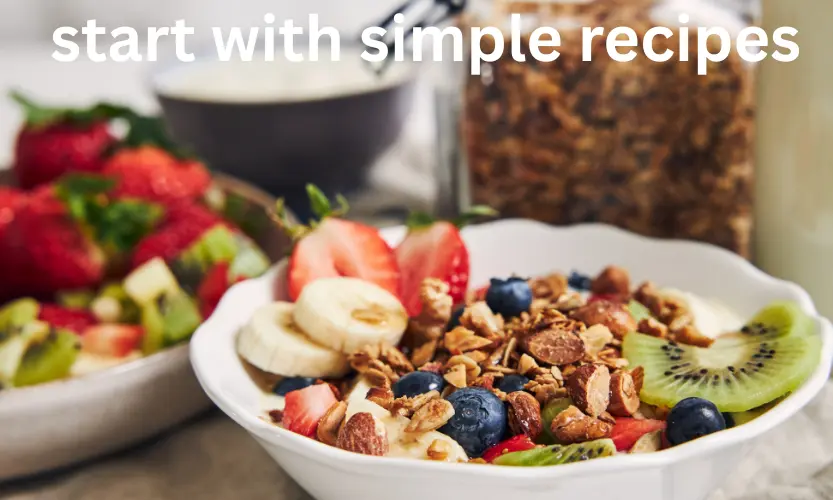
One of the biggest mistakes beginners make is choosing recipes that are too complicated. If you have never cooked before, attempting a five-course dinner with several sauces and cooking techniques can quickly become frustrating.
Start with meals that have fewer ingredients and straightforward steps. Pasta, scrambled eggs, fried rice, sandwiches, roasted vegetables, grilled chicken, soups, and simple curries are excellent choices.
Simple recipes allow you to understand how ingredients react to heat, how much seasoning you prefer, and how long different foods take to cook. Once you become comfortable with basic meals, you can gradually move towards more complicated dishes.
Choose Recipes You Actually Want to Eat
Cooking becomes much more enjoyable when you are making food you genuinely like.
If you love pasta, learn a few pasta dishes. If rice is your favourite, practise different rice-based meals. Someone who enjoys eating the finished dish is much more likely to stay interested while learning. There is no need to start with recipes simply because they are considered “beginner friendly.” Choose meals that make you excited to turn on the stove.
Read the Entire Recipe Before Starting

Do not begin cooking immediately after opening a recipe.
Read it from beginning to end first. This small habit can prevent a surprising number of mistakes. You may discover that an ingredient needs to be brought to room temperature, vegetables need to be chopped beforehand, or something needs to marinate for thirty minutes.
Imagine adding your chicken to the pan and then discovering that the sauce requires another ten minutes of preparation. Suddenly, you are trying to cook two things at once while worrying that one of them will burn.
Reading the recipe first gives you a clear idea of what is coming.
Pay attention to:
- Cooking times
- Ingredient quantities
- Required temperatures
- Preparation instructions
- Resting or marinating times
- The order in which ingredients are added
A recipe is much easier to follow when you already understand the entire process.
Prepare Your Ingredients First
Professional cooks often prepare their ingredients before cooking, and beginners can benefit from exactly the same habit. This means washing vegetables, chopping onions, measuring spices, preparing sauces, and taking other ingredients out of their packaging before you start cooking.
Instead of stopping every few minutes to search through your cupboards, everything is ready to go.
Keep Ingredients Within Reach
Place the ingredients you will use near your cooking area. For example, if you are preparing fried rice, have your cooked rice, vegetables, eggs, soy sauce, oil, and seasonings ready before heating the pan.
This makes cooking calmer and helps you focus on what is happening in the pan. It also reduces the chance of forgetting an ingredient.
Learn to Control Heat
Understanding heat is one of the most important cooking skills you can develop.
Many beginners assume that higher heat means faster cooking. While food may cook more quickly, it can also burn on the outside while remaining undercooked inside. Different foods need different levels of heat.
High heat can be useful for quickly searing meat or bringing water to a boil. Medium heat works well for many everyday cooking tasks, while low heat is useful for gently cooking sauces, warming food, or preventing delicate ingredients from burning.
Do Not Be Afraid to Turn the Heat Down
If your onions are becoming dark within seconds, your pan is probably too hot. If oil is smoking heavily, reduce the heat and give the pan a moment to cool.
Learning to adjust the temperature while cooking is far more useful than simply following a fixed heat setting. Think of your stove as something you control throughout the entire cooking process rather than something you switch on and leave alone.
Learn Basic Knife Skills
You do not need professional knife skills to cook well, but learning how to safely use a knife will make almost every recipe easier.
Start by learning how to hold the knife properly and keep your fingers away from the blade. Use a stable cutting board and make sure it does not slide around.
Practise cutting common ingredients such as onions, tomatoes, potatoes, carrots, and peppers. Your cuts do not need to look perfect. Consistency is more important than appearance. When pieces are roughly the same size, they are more likely to cook at a similar rate.
Keep Your Knife Sharp
A surprisingly common mistake is using a dull knife because it feels safer. A sharp knife is generally easier to control because it cuts through food without requiring excessive force. A dull blade can slip when you push too hard.
You do not need an expensive knife. A basic, comfortable chef’s knife that is properly maintained can handle most everyday kitchen tasks.
Season Your Food Gradually
Seasoning can completely change a dish, but beginners sometimes add too much at once.
Instead, season gradually.
Add a small amount of salt or other seasoning, taste the food, and adjust it if necessary. This is especially important when using ingredients that are already salty, such as soy sauce, cheese, stock cubes, or certain sauces.
Taste While You Cook
Do not wait until the meal is on the plate to discover that it needs more seasoning.
When the food is safe to taste, check it during cooking.
Ask yourself:
- Does it need more salt?
- Is the flavour strong enough?
- Does it need acidity, such as lemon juice?
- Is the dish too spicy?
- Does it need more herbs or spices?
Tasting teaches you how flavours change during cooking. Over time, you will become much better at judging what a dish needs.
Do Not Overcrowd the Pan
Putting too much food into a pan at once can cause problems. Instead of allowing food to brown properly, overcrowding can trap moisture and cause ingredients to steam.
This is particularly noticeable when cooking meat or vegetables. If you are cooking a large amount of food, use a larger pan or cook in batches.
It may take a few extra minutes, but the result can be worth it.
Give Your Food Time to Cook
Another common beginner mistake is constantly moving food around.
You may put chicken in a hot pan and immediately start flipping it every few seconds. You may stir vegetables repeatedly because you are worried about them sticking. Sometimes, the best thing you can do is leave the food alone for a little while.
Meat needs time to develop a browned surface. Vegetables need time to caramelize. Pancakes need time to form bubbles before they are flipped. Follow the recipe, watch the food closely, and resist the temptation to interfere constantly.
Use Measurements When You Are Starting
Experienced cooks often measure ingredients by eye, but beginners should not feel pressured to do that.
Measuring cups and spoons can make recipes much easier to follow. This is particularly important when baking because the proportions of flour, sugar, liquid, and other ingredients affect the final result.
For everyday cooking, you can eventually become more flexible with measurements as you learn how different ingredients affect flavour and texture. Until then, measuring is your friend.
Understand the Difference Between Simmering and Boiling
These two cooking methods are often confused.
Boiling means the liquid reaches a higher temperature and produces strong, active bubbles across the surface. Simmering is gentler, with smaller bubbles appearing more slowly.
If a recipe tells you to simmer a sauce and you keep it at a vigorous boil, the liquid may reduce too quickly or the sauce may become too thick. When you see the word “simmer,” lower the heat until you have gentle bubbling rather than aggressive boiling.
Keep Your Kitchen Clean While Cooking
Cleaning the entire kitchen after a meal can feel exhausting.
Instead, clean as you go. Put ingredients away after using them. Rinse utensils you no longer need. Wipe spills before they dry. Place scraps in the bin rather than allowing them to pile up on the counter.
This keeps your workspace organised and makes cooking feel much less chaotic. It also means you will have fewer dishes waiting for you when dinner is finished.
Keep Your Work Area Organised
Try to keep your cutting board, knife, utensils, and ingredients arranged in a way that makes sense.
A cluttered counter can make even a simple recipe feel difficult. You do not need a perfectly organised kitchen. You simply need enough clear space to work safely and comfortably.
Learn How to Tell When Food Is Done
Cooking times in recipes are useful, but they are not always exact.
The size of the ingredients, the type of pan, the strength of your stove, and even the amount of food in the pan can change cooking time. Instead of relying only on the clock, learn to look at the food.
Vegetables may become tender and develop a slight colour. Pasta should have the texture you prefer. Chicken should be thoroughly cooked through. Eggs should reach the texture you want. With meat and other foods where undercooking can be unsafe, use a food thermometer when appropriate rather than relying only on appearance.
Do Not Keep Opening the Oven
If you are baking something, resist the urge to open the oven repeatedly.
Every time the oven door opens, heat escapes. This can affect baking time and, for some recipes, the final texture. Use the oven light and window when possible. If the recipe says to bake for thirty minutes, give it some time before checking unless there is a specific reason to look earlier.
Learn From Your Mistakes
Your first attempt at a recipe might not be perfect. Maybe the rice becomes too soft. Maybe the chicken is slightly dry. Perhaps you add too much chilli or forget to season the vegetables.
That does not mean you are bad at cooking. Write down what went wrong and change one thing the next time.
If your pasta sauce was too salty, use less salt. If your vegetables were mushy, reduce the cooking time. If your chicken was dry, adjust the cooking temperature or cooking time. Every mistake gives you information that can make your next attempt better.
Keep a Few Reliable Ingredients at Home
Having basic ingredients available makes spontaneous cooking much easier.
Depending on the meals you enjoy, useful staples may include:
- Rice
- Pasta
- Flour
- Cooking oil
- Salt
- Black pepper
- Common herbs and spices
- Eggs
- Onions
- Garlic
- Potatoes
- Canned tomatoes
- Stock or broth
- Frozen vegetables
You do not need to buy everything at once. Build your pantry around the foods you actually cook.
Make Cooking Easier With Smart Shortcuts
Cooking from scratch does not mean every single component has to be prepared manually. Frozen vegetables, pre-washed greens, canned beans, jarred sauces, ready-made stock, and other convenient ingredients can save time.
There is nothing wrong with using shortcuts when they help you cook at home more regularly. The goal is to prepare enjoyable meals, not to make every meal a three-hour project.
Learn a Few Basic Cooking Methods
Instead of memorising dozens of recipes, learn the fundamentals behind common cooking methods.
Sautéing
Sautéing involves cooking relatively small pieces of food quickly in a small amount of fat over moderate to high heat. It works well for vegetables, onions, garlic, and many other ingredients.
Roasting
Roasting uses dry heat, usually in an oven.
Vegetables such as potatoes, carrots, peppers, cauliflower, and pumpkin can develop deeper flavours and attractive browned edges when roasted.
Grilling
Grilling cooks food using direct heat. It is commonly used for meat, vegetables, sandwiches, and other foods. Learning these basic methods gives you more flexibility when preparing meals.
Keep Food Safety in Mind
Good cooking is not only about flavour. Food safety matters too.
Wash your hands before preparing food and after handling raw meat. Keep raw and cooked foods separate. Wash appropriate fruits and vegetables before eating or preparing them. Refrigerate foods that require refrigeration promptly. Avoid using the same cutting board or utensils for raw meat and ready-to-eat food without properly cleaning them between uses.
When cooking meat, make sure it reaches a safe internal temperature. These habits may seem simple, but they are an essential part of becoming a confident home cook.
Do Not Try to Perfect Everything at Once
There are dozens of cooking skills you could learn. You do not need to master them all in your first week. Focus on one skill at a time. This week, you might practise cutting vegetables. Next week, you might work on seasoning. After that, you could focus on controlling heat.
Small improvements add up.
The person who once struggled to boil pasta may eventually be making homemade sauces without thinking twice. That progress happens through repetition, not perfection.
Make Cooking More Enjoyable
Cooking does not have to feel like another chore on your schedule.
Put on music while preparing dinner. Try a recipe from a cuisine you have never cooked before. Cook with a family member or friend. Experiment with herbs and spices.
Even a simple meal can become something enjoyable when you stop treating every mistake as a disaster.
And remember that presentation does not need to be complicated. A little fresh coriander, chopped spring onion, a squeeze of lemon, or a sprinkle of herbs can make an ordinary meal look much more inviting.
You may also like these
Brilliant Tips on How to Keep Kitchen Clean Daily
Easy Secrets for How to Clean Kitchen Countertops
Easy Ways: How to Remove Kitchen Grease for Good
Brilliant Easy Kitchen Cleaning Tips for a Fresh Kitchen
Easy Secrets: How to Clean Kitchen Appliances
Five Beginner Cooking Habits Worth Keeping
If you remember nothing else, keep these habits:
Prepare Before You Cook
Have your ingredients ready before turning on the stove.
Control the Heat
Do not automatically use high heat. Adjust it according to the food.
Taste Your Food
Season gradually and taste when it is safe to do so.
Clean as You Go
A tidy workspace makes cooking easier and less stressful.
Practise Regularly
Cooking improves through repetition. Make simple meals often rather than attempting complicated dishes once in a while.
Final Thoughts
Becoming comfortable in the kitchen does not happen overnight. Your first few meals may be messy, your vegetables may not be cut evenly, and you may occasionally wonder how something managed to burn when you were standing right beside it. That is all part of learning. Start small, pay attention to what your food is doing, and allow yourself to make mistakes. With regular practice, cooking becomes less intimidating and more natural. The right habits can turn an uncertain beginner into someone who can confidently open the refrigerator, work with what is available, and create a satisfying meal. Most importantly, remember that easy cooking tips for beginners are not about becoming perfect—they are about making everyday cooking simpler, more enjoyable, and much less stressful.
FAQs
What are the best easy cooking tips for beginners?
Start by reading the entire recipe, preparing your ingredients before cooking, using the correct heat, and tasting your food as you go.
How can beginners improve their cooking skills?
Practise simple recipes regularly, learn basic knife and cooking techniques, and avoid trying overly complicated dishes at first.
What should a beginner learn to cook first?
Begin with simple dishes such as scrambled eggs, pasta, rice, roasted vegetables, soups, sandwiches, and basic chicken recipes.
How do I avoid burning food while cooking?
Use medium or low heat when appropriate, stay near the stove, stir food regularly, and follow the recipe’s recommended cooking temperature.
How can I make cooking easier and faster?
Prepare ingredients before turning on the stove, keep commonly used utensils accessible, and clean as you cook to prevent a large mess later.