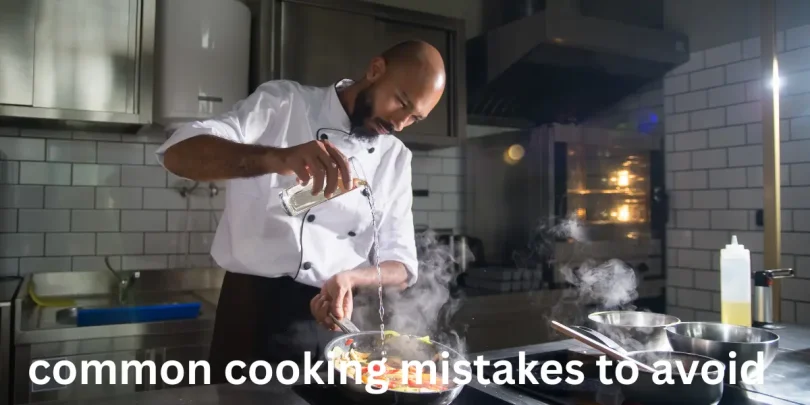

Cooking can feel easy when you know what you are doing, but even a small mistake can change the taste, texture, or appearance of a dish. Sometimes the food is too salty, sometimes it turns out dry, and other times it simply does not taste the way you expected. Common cooking mistakes to avoid can make a noticeable difference in the kitchen, especially when you are trying to become more confident with your meals.
The good news is that most kitchen mistakes are easy to fix once you understand why they happen. You do not need expensive equipment, complicated techniques, or years of experience. A little patience, better preparation, and attention to detail can help you cook meals that taste fresher, look better, and turn out more consistently.
Not Reading the Entire Recipe First
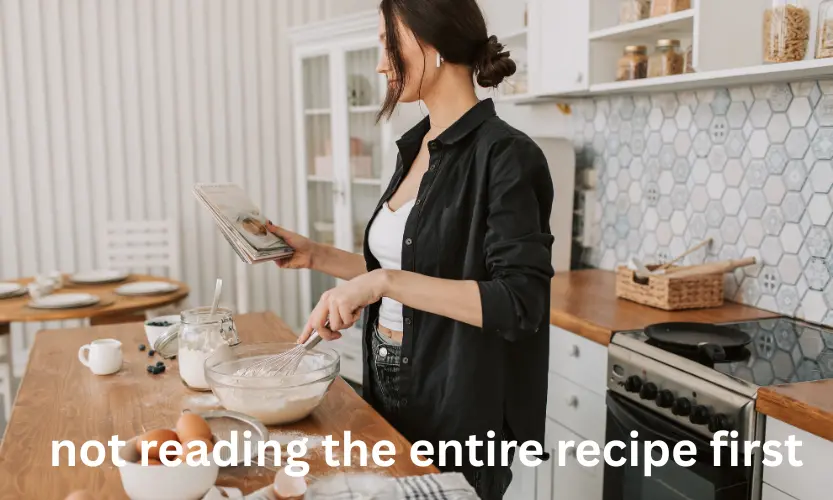
One of the easiest mistakes to make is starting to cook before reading the recipe from beginning to end.
You may begin chopping onions only to discover that the chicken needed to be marinated first. Or you might reach the middle of a recipe and realise that an ingredient needs to be at room temperature.
Taking two or three minutes to read everything beforehand gives you a clear idea of what needs to happen. Pay attention to:
- Cooking times
- Required temperatures
- Marinating or resting periods
- Preparation instructions
- Ingredients that need special treatment
- The order in which ingredients are added
This simple habit can prevent unnecessary stress and last-minute rushing.
Using the Wrong Heat
Heat is one of the most important parts of cooking, yet it is often overlooked.
Turning the heat all the way up does not automatically make food cook better or faster. High heat can burn garlic, onions, spices, and sauces before the rest of the ingredients are properly cooked.
On the other hand, cooking everything over very low heat can leave food pale, watery, or underdeveloped in flavour.
When to Use High Heat
High heat can be useful when you want to quickly sear meat, stir-fry vegetables, or bring water to a boil.
When to Lower the Heat
Lower temperatures are generally better for simmering sauces, cooking delicate foods, or allowing ingredients to cook gradually. Instead of treating the stove as simply “low” or “high,” adjust the temperature according to what is happening in the pan.
Overcrowding the Pan

A crowded pan is another common reason food does not brown properly.
Imagine placing a large amount of wet chicken into a small frying pan. Instead of getting that delicious golden-brown surface, the temperature of the pan drops and moisture begins collecting around the food.
The result can be soft, steamed-looking meat instead of beautifully browned pieces. If you have a lot of food to cook, work in batches. It may take a few extra minutes, but the difference in texture can be significant.
This is particularly important when cooking:
- Chicken
- Beef
- Mushrooms
- Potatoes
- Stir-fried vegetables
Give each piece enough room to make contact with the hot surface.
Adding Garlic Too Early
Garlic can transform a dish, but it can also ruin one surprisingly quickly.
Because chopped garlic cooks faster than many other ingredients, adding it too early can cause it to burn. Burnt garlic develops a bitter taste that can spread throughout the entire dish.
If a recipe calls for onions and garlic, cook the onions first and add the garlic when the onions are close to the desired softness. Keep an eye on it and stir frequently. Fresh garlic usually needs only a short amount of time to release its flavour.
Not Seasoning Food Properly
A meal can contain excellent ingredients and still taste bland if it is not seasoned properly. Many beginners either use too little seasoning because they are afraid of making a mistake or add too much at once.
The better approach is to season gradually. Taste the food when it is safe to do so and adjust as you go. Salt does more than make food taste salty. In the right amount, it can bring out the natural flavours of other ingredients.
Herbs, spices, pepper, citrus juice, and other seasonings can also add depth without simply making a dish taste salty.
Avoid Dumping All the Salt at Once
Adding a large amount of salt near the end can make it difficult to correct the dish if you go too far. A little at a time gives you much more control.
Not Preheating the Pan or Oven
Starting with a cold pan can affect how food cooks. For example, if you place meat into a pan that has not reached the appropriate temperature, it may sit in its own moisture rather than developing a good sear.
The same principle applies to baking. If an oven needs to be preheated, putting the food inside before it reaches the correct temperature can affect cooking time and texture.
Make preheating part of your preparation routine. While the pan or oven heats, you can prepare your ingredients.
Constantly Flipping or Moving Food
It can be tempting to keep turning food because you want to make sure nothing burns. However, constantly moving food can prevent it from developing a proper crust.
When searing meat or cooking vegetables in a hot pan, give the food some time to sit undisturbed. Once it has developed colour and released naturally from the surface, it is usually easier to turn.
This does not mean you should never stir. Foods such as sauces, curries, and stir-fries often need regular movement. The key is knowing when food needs attention and when it simply needs time.
Cutting Meat Immediately After Cooking
You have just finished cooking a beautiful piece of chicken or steak. You are hungry, so you cut into it immediately. That can be a mistake.
Allowing meat to rest for a few minutes after cooking gives the juices time to settle. Cutting it immediately can cause more of the juices to run onto the plate instead of remaining in the meat.
The exact resting time depends on the size and type of meat, but even a short rest can help. Use those few minutes to finish the sauce, set the table, or prepare the sides.
Overcooking Vegetables
Vegetables do not need to become extremely soft to be properly cooked. Overcooking can leave them mushy and dull, while some nutrients and fresh flavour can also be lost during prolonged cooking.
Different vegetables require different cooking times. Tender vegetables may need only a few minutes, while harder vegetables such as carrots and potatoes generally need longer.
If you prefer vegetables with some bite, start checking them before the recipe’s suggested cooking time is completely finished.
Ignoring Knife Technique
You do not need to be a professional chef to benefit from good knife skills.
One of the biggest mistakes is cutting ingredients into completely different sizes. A tiny piece of potato and a large chunk placed in the same pan will not cook at the same rate.
Try to keep pieces reasonably similar in size. A sharp knife is also generally easier to control than a dull one. A dull blade may require more pressure, which can make cutting less precise. Always use a stable cutting board and keep your fingers positioned safely away from the blade.
Using Too Much Oil
Oil is useful for frying, sautéing, roasting, and adding richness, but more is not always better.
Too much oil can make food greasy and heavy. It can also interfere with browning because ingredients may effectively be swimming in oil rather than making good contact with the pan.
Start with an appropriate amount and add more only when necessary.
Remember that ingredients themselves can release fat. Meat, cheese, nuts, and some sauces may already contribute plenty of richness to a meal.
Forgetting to Taste as You Cook
One of the simplest ways to improve your cooking is to taste the dish throughout the process.
A sauce that tastes perfect before adding cream may need additional seasoning afterward. A curry can become milder when additional ingredients are added. Vegetables can taste different depending on how long they cook.
Tasting allows you to notice these changes before the meal reaches the table. Of course, only taste food when it is safe to do so, and avoid repeatedly tasting food with the same utensil.
Adding Ingredients at the Wrong Time
Cooking is not just about what ingredients you use. Timing matters too. Adding everything to the pot at the same moment can produce uneven results.
For example, onions may need time to soften before tomatoes are added. Hard vegetables may need to cook before delicate greens. Certain spices benefit from briefly cooking in oil, while fresh herbs may be better added toward the end.
Think of the cooking process as a sequence rather than one single step.
When a recipe tells you to add something at a particular stage, there is usually a reason behind that timing.
Washing Meat Before Cooking
Many people wash raw meat because they believe it makes the meat cleaner.
However, washing raw meat can cause contaminated water droplets to spread around the sink and nearby surfaces. Proper cooking is what makes meat safe to eat.
Instead of washing raw meat, focus on good kitchen hygiene. Wash your hands after handling it, keep raw meat separate from ready-to-eat foods, and clean surfaces and utensils properly.
This is one kitchen habit worth taking seriously.
Using the Wrong Pan Size
The size of your pan can affect the final result more than you might expect.
A tiny pan filled with ingredients can cause steaming and uneven cooking. A very large pan may cause liquids to evaporate faster than intended.
Choose cookware based on the amount and type of food you are preparing.
For example, a wide pan can be useful when you want ingredients to brown, while a deeper pot is often more practical for soups, stews, and large quantities of liquid.You do not need dozens of pans. A few versatile pieces of cookware can handle most everyday meals.
16. Relying Entirely on Cooking Times
Recipes often give cooking times, but they should not always be treated as an absolute rule.
Stove temperatures vary. Ovens can behave differently. Ingredients can vary in size and moisture. Instead of relying only on the clock, look at the food.
Check whether vegetables are tender, whether sauces have thickened, whether baked goods have developed the expected appearance, and whether meat has reached a safe internal temperature.
Learning to observe your food is one of the biggest steps toward becoming a more confident cook.
Making Too Many Changes to a New Recipe
Experimenting is part of the fun of cooking, but changing five ingredients in a recipe you have never made before can make it difficult to understand what went wrong.
Try the original version first if possible.
Once you know how it tastes, you can begin changing things. Add more spice, replace an ingredient, adjust the sweetness, or experiment with different herbs. This approach lets you understand how each change affects the finished dish.
Forgetting That Food Continues Cooking
Food can continue cooking even after it has been removed from the heat.
This is especially noticeable with meat, eggs, and some baked dishes. If you wait until food looks completely finished before removing it from heat, it may become overcooked by the time you serve it.
Pay attention to carryover cooking and consider the final texture you want rather than simply the appearance at one exact moment.
Not Cleaning as You Go
A mountain of dirty dishes can make cooking feel far more difficult than it actually is.
You do not have to deep-clean the kitchen while preparing dinner, but washing or putting away items that you no longer need can keep your workspace manageable.
For example, once you have finished chopping vegetables, put the knife and cutting board aside for cleaning. While a sauce simmers, wash a few utensils. A cleaner workspace also makes it easier to concentrate.
Giving Up After One Bad Meal
Perhaps the most important mistake is believing that one disappointing meal means you cannot cook. Everyone burns something eventually.
Maybe the rice becomes too soft. Maybe the chicken dries out. Maybe you accidentally add too much chilli. Instead of throwing the experience away, ask what happened.
Was the heat too high? Did the pan need more space? Did you cook it too long? Did you skip a preparation step? Every mistake gives you information.
How to Become a More Confident Cook
Improving your cooking does not require trying complicated recipes every day. Start with meals you already enjoy and focus on one skill at a time.
One week, pay attention to seasoning. The next, focus on controlling heat. Then work on chopping ingredients evenly or learning how different cooking methods affect texture.
Keep simple notes if you find that helpful. If a meal turns out particularly well, remember what you did. If something goes wrong, make a small adjustment next time.
You will gradually develop an instinct for when a pan is hot enough, when onions are ready, when a sauce needs more seasoning, and when food needs another few minutes.
That instinct comes from repetition.
You may also like these
Brilliant Tips on How to Keep Kitchen Clean Daily
Easy Secrets for How to Clean Kitchen Countertops
Easy Ways: How to Remove Kitchen Grease for Good
Brilliant Easy Kitchen Cleaning Tips for a Fresh Kitchen
Easy Secrets: How to Clean Kitchen Appliances
Simple Habits That Prevent Cooking Mistakes
A few habits can make your entire cooking routine smoother:
- Read the recipe before beginning.
- Prepare ingredients before turning on the stove.
- Preheat pans and ovens when required.
- Keep your workspace organised.
- Taste food during cooking when appropriate.
- Adjust heat instead of leaving it on one setting.
- Avoid overcrowding pans.
- Cut ingredients into similar sizes.
- Follow food-safety practices with raw ingredients.
- Give cooked meat time to rest.
- Clean as you go.
- Learn from mistakes instead of repeating them.
None of these habits is complicated. Their value comes from using them consistently.
Final Thoughts
Good cooking is not about getting every meal perfect. It is about understanding your ingredients, paying attention to what is happening in the pan, and learning from the little things that go wrong. Once you recognise the common cooking mistakes to avoid, you can prevent many frustrating kitchen failures before they happen. With a little patience and practice, ordinary ingredients can become meals you genuinely look forward to making—and eating.
FAQs
What are the most common cooking mistakes to avoid?
Some common mistakes include overcrowding the pan, using the wrong heat, skipping seasoning, overcooking food, and failing to read the recipe carefully.
Why is preheating important when cooking?
Preheating allows food to cook at the intended temperature from the beginning. It can help create better browning, texture, and more consistent results.
Is overcrowding a pan a common cooking mistake?
Yes. Overcrowding lowers the pan’s temperature and can cause food to steam instead of brown properly. Cooking in batches can produce better texture and flavour.
When should you season food?
Seasoning throughout the cooking process is often more effective than adding all the seasoning at the end. The ideal timing depends on the ingredient and recipe.
Why should I avoid cooking everything on high heat?
High heat can burn the outside of food while leaving the inside undercooked. Using the appropriate heat level helps food cook more evenly.