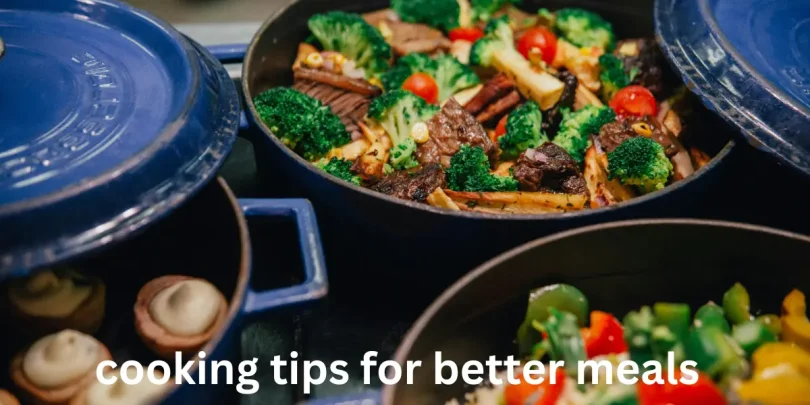

A good meal does not always require expensive ingredients, complicated recipes, or hours in the kitchen. Sometimes, a few small changes in the way you prepare and cook food can completely transform the final result. That is where cooking tips for better meals can make everyday cooking easier, more enjoyable, and much more rewarding.
Whether you are preparing breakfast before school, making dinner for your family, or trying a new recipe on the weekend, the little details matter. The way you season food, control heat, prepare ingredients, and even choose your cooking pan can affect the taste and texture of your meal.
You do not need to become a professional chef to cook food that tastes amazing. You simply need to understand a few basic techniques and practise them regularly. Once these habits become natural, you will notice that your meals start tasting fresher, more balanced, and more satisfying.
Start With Fresh Ingredients
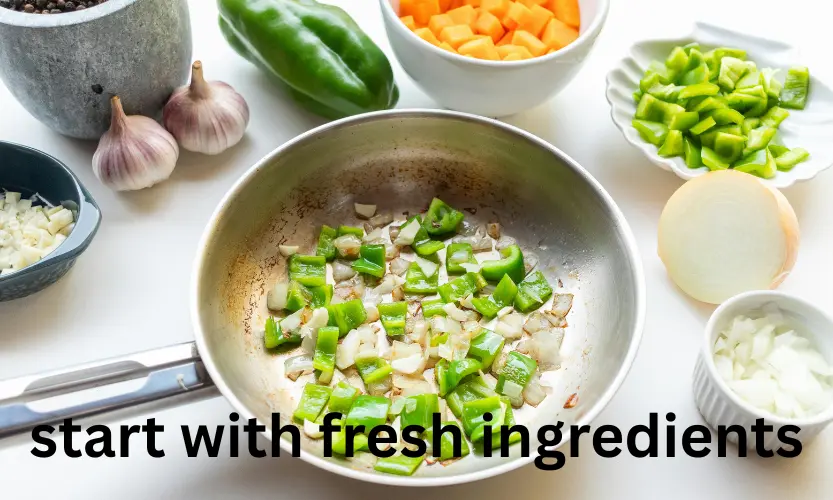
The quality of your ingredients has a direct effect on the quality of your food. Even the best cooking technique cannot completely fix vegetables that are old, herbs that have lost their flavor, or meat that is past its best.
Fresh ingredients usually have better flavor, texture, and aroma. Seasonal vegetables can be especially useful because they are often at their best when naturally available.
This does not mean everything in your kitchen needs to be fresh. Frozen vegetables, canned tomatoes, dried herbs, and other pantry staples can be extremely useful. The key is knowing which ingredients benefit most from freshness.
Check Your Ingredients Before Cooking
Before starting a recipe, take a quick look at what you are using. Check vegetables for freshness, make sure spices still smell fragrant, and inspect packaged ingredients for their dates and condition.
This simple habit can prevent disappointing results.
Read the Entire Recipe First

One of the easiest ways to make cooking stressful is to start preparing food without reading the recipe properly.
You might begin cooking and suddenly discover that the chicken needs to marinate for an hour or that an ingredient should have been brought to room temperature beforehand.
Read the recipe from beginning to end before you start.
Pay attention to:
- Cooking time
- Preparation time
- Required ingredients
- Cooking temperature
- Marinating or resting time
- Special equipment
- The order in which ingredients are added
Taking two minutes to understand the recipe can save you much more time later.
Prepare Everything Before You Start
Professional kitchens often prepare ingredients before cooking begins, and there is a good reason for it. Having everything ready makes the cooking process smoother.
Wash and chop vegetables, measure spices, prepare sauces, and take ingredients out of the refrigerator when appropriate.
This is sometimes called preparing your ingredients in advance, and it is particularly useful when cooking dishes that require ingredients to be added quickly. Imagine frying onions while simultaneously trying to measure three spices and chop tomatoes. The onions can easily burn while you are distracted.
Having everything ready allows you to focus on the food instead of rushing around the kitchen.
Learn to Control Heat
Heat is one of the most important parts of cooking, yet it is often overlooked.
A pan that is too hot can burn food on the outside while leaving it undercooked inside. A pan that is not hot enough may cause food to steam instead of brown properly.
When to Use High Heat
High heat can be useful when you want to quickly brown meat, stir-fry vegetables, or bring liquid to a boil. However, high heat is not automatically better. Some foods need gentle cooking to develop their flavor without burning.
When to Lower the Heat
Once food begins browning or a sauce reaches a simmer, reducing the heat may help prevent burning. For dishes such as curries, soups, and sauces, gentle cooking can allow flavors to develop gradually.
Learning to adjust the heat instead of leaving the stove at one setting is one of the most useful habits you can develop.
Do Not Be Afraid of Seasoning
Seasoning can turn an ordinary meal into something memorable.
Salt is particularly important because it enhances the natural flavors of food. But seasoning does not mean simply adding a large amount of salt at the end. Try seasoning gradually while cooking. Taste the food when it is safe to do so and adjust it as needed.
Other ingredients can also add depth, including:
- Black pepper
- Garlic
- Ginger
- Chili
- Cumin
- Paprika
- Coriander
- Fresh herbs
- Lemon juice
- Vinegar
Different ingredients serve different purposes, so experiment and learn what combinations you enjoy.
Taste Your Food While Cooking
One of the simplest cooking habits is also one of the most valuable: taste your food.
If you wait until the meal reaches the table to discover that the sauce is too salty or the soup needs more acidity, you have missed the easiest opportunity to correct it.
Taste throughout the cooking process when appropriate.
Ask yourself:
- Does it need more salt?
- Is the flavor too strong?
- Does it need acidity?
- Is the texture right?
- Are the spices balanced?
- Does anything overpower the other ingredients?
This helps you understand how flavors change during cooking.
Give Your Food Enough Time to Brown
Browning creates flavor and adds an appealing color to many foods. However, constantly moving food around the pan can prevent proper browning.
For example, when cooking vegetables or meat, allow them to sit against the hot surface long enough to develop a browned exterior before turning them. A common mistake is flipping food repeatedly because you are worried it might burn. Sometimes, the best thing you can do is simply leave it alone for a little longer.
Of course, the correct cooking time depends on the ingredient and the recipe.
Avoid Overcrowding the Pan
Putting too much food into a pan at once can cause problems.
When a crowded pan releases moisture, the temperature can drop and food may begin steaming instead of browning. If you are cooking a large amount of meat or vegetables, consider working in batches.
It may take a few extra minutes, but the difference in texture can be significant. Crispy vegetables, properly browned meat, and golden potatoes are much easier to achieve when ingredients have enough room in the pan.
Use the Right Cooking Method
Different ingredients respond differently to heat. Some foods are delicious when roasted, while others are better steamed, grilled, sautéed, simmered, or baked.
Roasting
Roasting works especially well for vegetables, chicken, potatoes, and many other ingredients. The dry heat can create browned edges and concentrated flavors.
Sautéing
Sautéing is useful for quickly cooking smaller pieces of vegetables, meat, or seafood in a relatively small amount of fat.
Simmering
Simmering is ideal for soups, stews, sauces, and curries that benefit from slower cooking.
Steaming
Steaming can help vegetables retain their natural texture and flavor without requiring much added fat. Learning what each cooking method does allows you to choose the technique that suits your ingredients.
Do Not Overcook Vegetables
Vegetables can quickly go from perfectly cooked to soft and lifeless.
Many vegetables taste best when they retain some texture. Green beans, carrots, broccoli, and peppers, for example, can become unpleasantly soft if cooked for too long.
Pay attention to color, texture, and cooking time. You do not necessarily need to cook every vegetable until it is extremely soft. Sometimes a little crunch makes the meal much more enjoyable.
Use Acid to Balance Flavors
When a dish tastes heavy or flat, the answer is not always more salt. A small amount of acidity can brighten flavors. Lemon juice, lime juice, vinegar, tomatoes, and certain fermented ingredients can add freshness and balance.
For example, a rich curry may taste more lively with a little lemon juice. A salad can become much more interesting when its dressing has the right balance of oil and acidity.
Add acidic ingredients gradually. A little can make a major difference.
Choose the Right Pan
Your cookware can affect how your food cooks.
A heavy pan may retain heat well, while a non-stick pan can be useful for foods that tend to stick. A large pan provides more surface area when you need to brown ingredients.
You do not need a kitchen full of expensive cookware. A few reliable pans are enough for most everyday meals. More important than having dozens of tools is knowing how to use the ones you already have.
Keep Your Knife Sharp
A sharp knife may sound like a small detail, but it can make food preparation easier and more consistent.
A sharp knife allows you to cut vegetables more evenly. Consistent pieces tend to cook at similar rates, which helps prevent some pieces from becoming overcooked while others remain undercooked. Always use a stable cutting board and keep your fingers positioned safely away from the blade.
Good knife skills are built through practice rather than speed. There is no need to rush.
Do Not Ignore Resting Time
Some foods benefit from resting after cooking.
Meat, for example, can be allowed to rest before slicing so that its juices can redistribute. Baked goods also often need time to cool before they are cut. Resting can be frustrating when you are hungry and the food smells incredible, but patience can improve the final result.
Instead of immediately serving everything, check whether the recipe recommends a resting period.
Make Your Sauces More Flavorful
A good sauce can completely change a simple meal. You can build flavor by starting with aromatics such as onions, garlic, ginger, or spices. From there, ingredients such as tomatoes, stock, cream, yogurt, herbs, or other seasonings can create the base.
Do not add everything at once. Allow ingredients to cook and develop flavor before adding the next stage. For example, onions can be softened and lightly browned before garlic and spices are added.
These small steps create more depth than simply throwing everything into a pot at the same time.
Use Herbs and Spices Properly
Herbs and spices can make familiar meals feel completely different.
Fresh herbs such as coriander, parsley, mint, and basil can add freshness near the end of cooking. Dried spices can often benefit from being added earlier so their flavors have time to develop. However, more spices do not necessarily mean better food.
If you use too many strong flavors at once, they can compete with one another. Start with a modest amount and adjust according to your taste.
Keep Your Kitchen Organised
A messy kitchen can make cooking feel much harder than it actually is. Put ingredients back after using them, keep frequently used tools within reach, and clean as you go whenever possible.
You do not have to stop cooking every thirty seconds to wash dishes. But rinsing a cutting board or putting away ingredients while something simmers can prevent a huge pile of work at the end. An organised workspace also makes it easier to focus.
Learn From Your Mistakes
Not every meal will be perfect. Sometimes rice becomes too soft. Sometimes vegetables burn. Sometimes you accidentally add too much chili.
Instead of simply deciding that the recipe failed, think about what happened.Was the heat too high? Did the food cook too long? Did you add too much liquid? Did you forget to season gradually?
Cooking improves when you pay attention to these details. A mistake can become useful information for the next attempt.
Make Simple Meals More Interesting
You do not need complicated recipes every night.
A simple bowl of rice and vegetables can become more exciting with a flavorful sauce, herbs, toasted seeds, or a well-seasoned protein. A basic omelet can be changed with cheese, herbs, mushrooms, peppers, or tomatoes.
Even roasted vegetables can become completely different depending on the spices and sauce you use. The goal is not to make every meal complicated. It is to make simple ingredients taste their best.
Plan Your Meals
Meal planning can make cooking easier, especially during busy weeks. You do not need to plan every single meal in detail. Even deciding on a few main dishes can help you shop more efficiently and reduce last-minute decisions.
For example, you might prepare ingredients that can be used in several meals. Cooked chicken could be used in sandwiches, wraps, salads, or rice dishes. This saves time while giving you flexibility.
Store Ingredients Properly
Good cooking starts before the stove is switched on. Storing ingredients correctly helps maintain their quality and reduces unnecessary food waste. Keep foods that require refrigeration at appropriate temperatures, store dry ingredients in suitable containers, and follow food-safety guidance for leftovers.
When storing cooked food, allow it to cool appropriately and refrigerate it promptly rather than leaving perishable food sitting out for long periods. Good storage habits protect both your ingredients and the people eating your food.
Keep Practising
The biggest improvement usually comes from cooking regularly. You can read hundreds of recipes, but experience teaches you things that instructions cannot always explain.
Eventually, you begin to recognise when onions are properly softened, when a sauce needs more liquid, when vegetables are cooked enough, and when a pan is ready.
You stop depending completely on exact timings because you understand what the food should look, smell, and feel like. That confidence develops gradually.
You may also like these
Brilliant Tips on How to Keep Kitchen Clean Daily
Easy Secrets for How to Clean Kitchen Countertops
Easy Ways: How to Remove Kitchen Grease for Good
Brilliant Easy Kitchen Cleaning Tips for a Fresh Kitchen
Easy Secrets: How to Clean Kitchen Appliances
Make Cooking Enjoyable
Cooking should not always feel like another chore on your daily list.
Put on music while you prepare dinner. Try a recipe from a different cuisine. Cook with a family member. Experiment with an ingredient you have never used before. You might make mistakes, but that is part of learning.
Some of the best meals are not created by following every step perfectly. They come from understanding the basics and becoming comfortable enough to make small adjustments.
Final Thoughts
Great cooking is often about small details rather than complicated techniques. Fresh ingredients, proper seasoning, controlled heat, good preparation, and a little patience can make a noticeable difference to everyday food. You do not need expensive equipment or professional training to improve; you simply need to pay attention and keep practising. The next time you prepare a meal, choose one or two techniques from these cooking tips for better meals and put them into practice. Over time, those small changes can turn ordinary home cooking into food you genuinely look forward to eating.
FAQs
What are the best cooking tips for better meals?
Some of the best tips include using fresh ingredients, seasoning gradually, preheating pans, controlling cooking temperatures, and tasting food as you cook.
How can I make my meals taste better?
Use fresh herbs and spices, balance salt and acidity, avoid overcooking ingredients, and build flavor by sautéing aromatics such as garlic and onions.
Why is seasoning important when cooking?
Seasoning enhances the natural flavors of ingredients and helps create a more balanced and satisfying dish. Adding small amounts throughout cooking can produce better results.
How can beginners improve their cooking skills?
Start with simple recipes, learn basic knife and cooking techniques, follow recipes carefully, and practise regularly. Over time, you will become more comfortable adjusting flavors and cooking times.
How do I avoid overcooking food?
Keep an eye on cooking times and temperatures, use a timer when needed, and check food before the recipe’s stated finishing time. Residual heat can also continue cooking food after it is removed from the heat.