Busy days have a way of turning good intentions into last-minute takeout and skipped meals. Easy meal prep cooking tips can help you spend less time in the kitchen while still enjoying homemade food throughout the week. You do not need complicated recipes, expensive equipment, or hours of cooking to get started. A few smart habits can make preparing meals quicker, easier, and far less overwhelming.
Meal prep is simply about doing some of the cooking or preparation ahead of time. Maybe you wash and chop vegetables on Sunday, cook a large batch of rice, prepare chicken for several meals, or portion snacks into containers. The goal is not to make every meal identical. It is to make future meals easier.
Once you find a routine that works for your schedule, meal preparation can become one of those small habits that saves you from daily kitchen stress. Instead of standing in front of the refrigerator wondering what to eat, you already have something ready to turn into a satisfying meal.
Why Meal Prep Makes Everyday Cooking Easier
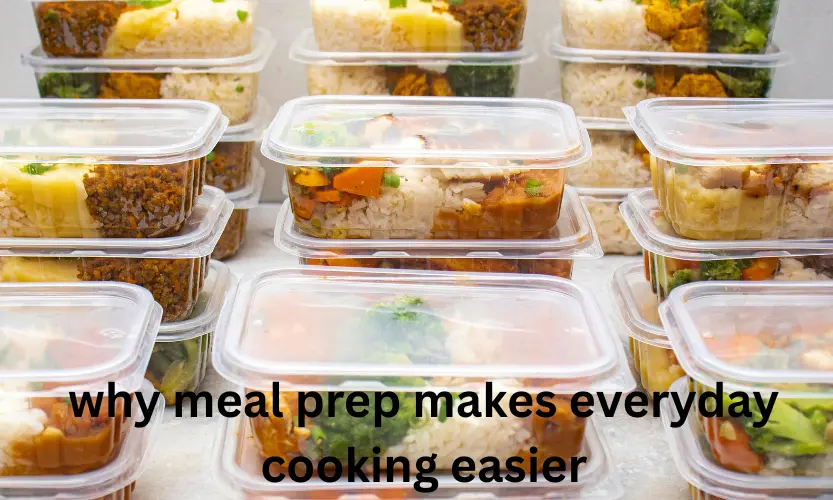
The biggest benefit of meal prep is convenience. When ingredients are already washed, chopped, cooked, or portioned, preparing dinner after a long day becomes much simpler.
Think about a typical weekday. You come home hungry, open the refrigerator, and discover several random ingredients. You could cook something, but first you have to wash vegetables, chop onions, thaw meat, cook rice, and figure out what goes together. Suddenly, a simple dinner feels like a major task.
Now imagine opening the refrigerator and finding cooked chicken, roasted vegetables, rice, and a homemade sauce ready to combine. The meal may take only a few minutes to assemble.
Meal prep can also help reduce food waste. When you plan meals before shopping, you are more likely to buy ingredients you actually need rather than filling your basket with items that eventually get forgotten.
1. Start With a Simple Meal Plan
One of the easiest mistakes beginners make is trying to prepare too many different meals at once.
You do not need seven breakfasts, seven lunches, and seven dinners. Start small.
Choose two or three main meals that share some ingredients. For example:
- Grilled chicken with rice and vegetables
- Chicken wraps with salad
- Chicken and vegetable bowls
- Egg sandwiches for breakfast
- Overnight oats for quick mornings
A few overlapping ingredients can be used in different ways, which makes shopping and cooking easier.
Plan Around Your Real Schedule
Your meal plan should fit your life, not make your life harder.
If you know Monday and Tuesday are extremely busy, prepare meals that can be reheated quickly. If you have more free time on Wednesday, you can cook something fresh that evening.
Consider how many meals you genuinely need. If you eat lunch at school or work several days a week, there is no reason to prepare five lunches at home.
The best plan is one you can actually maintain.
2. Make a Shopping List Before You Cook
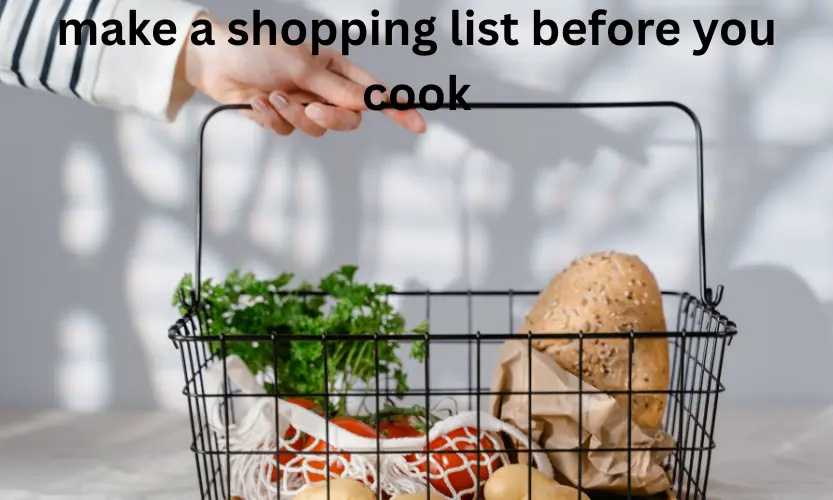
A good shopping list can save both time and money.
Before going to the grocery store, check what you already have. You might discover that there is enough rice in the cupboard, frozen vegetables in the freezer, or spices you completely forgot about.
Then divide your list into categories such as:
- Proteins
- Vegetables
- Fruits
- Grains
- Dairy
- Pantry ingredients
- Sauces and seasonings
This makes shopping faster and reduces the temptation to buy unnecessary items.
Buy Ingredients That Work Together
Look for ingredients that can appear in several meals.
Chicken, for example, can be used in salads, wraps, rice bowls, sandwiches, and pasta. Roasted vegetables can become a side dish, filling for wraps, or part of a grain bowl.
This approach gives you variety without requiring completely different shopping lists for every meal.
3. Choose Recipes With Fewer Steps
Meal prep does not need to look like a professional cooking competition.
When choosing recipes, look for dishes that can be prepared with basic techniques. Roasting, grilling, boiling, sautéing, and slow cooking are usually easier to manage than recipes requiring complicated steps.
A simple meal such as chicken, rice, and vegetables can be just as satisfying as an elaborate recipe. The more complicated your meal prep becomes, the easier it is to abandon the routine.
4. Prepare Ingredients in Batches
Batch cooking is one of the most useful meal prep habits.
Instead of cooking one chicken breast for today’s dinner, cook several portions at once. Rather than making rice every evening, prepare enough for multiple meals.
You can batch-cook:
- Chicken
- Beef
- Beans
- Rice
- Pasta
- Potatoes
- Roasted vegetables
- Boiled eggs
- Soups
- Lentils
Once everything is cooked, divide the food into portions or store ingredients separately.
Keep Components Separate When Possible
Not every ingredient should be mixed immediately.
For example, keeping salad vegetables separate from dressing prevents them from becoming soggy. Storing sauce separately from pasta can also help maintain a better texture.
This small step can make your prepared meals taste much fresher.
5. Use a Few Reliable Cooking Methods
You do not need to master dozens of cooking techniques.
Focus on a handful of methods that you can repeat confidently.
Roasting
Roasting is particularly useful for vegetables. Cut vegetables into similar-sized pieces, season them, spread them on a baking tray, and cook until tender and lightly browned.
Grilling or Pan-Cooking
Chicken, fish, beef, and tofu can be cooked in batches and used throughout the week.
Boiling
Boiling works well for eggs, pasta, potatoes, and certain vegetables.
One-Pan Meals
One-pan meals can reduce both cooking time and washing-up. You can combine a protein and vegetables on one tray, season everything, and cook it together.
The easier cleanup is often just as valuable as the easier cooking.
6. Prep Vegetables in Advance
Vegetables can take surprisingly long to prepare when you are cooking every meal from scratch. Washing, peeling, chopping, and storing them ahead of time can make cooking much faster.
You can prepare vegetables such as:
- Carrots
- Bell peppers
- Cucumbers
- Onions
- Broccoli
- Cauliflower
- Spinach
- Lettuce
- Tomatoes
Store them appropriately so they remain fresh.
Some vegetables are better chopped just before eating, while others can be prepared several days ahead. Learn which ingredients hold their texture well and plan around them.
7. Make Breakfast Easier
Morning meal preparation can be especially useful because breakfast is often rushed. Overnight oats, boiled eggs, yogurt bowls, homemade breakfast wraps, and prepared fruit are all convenient options.
Overnight Oats
Combine oats with milk or yogurt and add fruit, nuts, seeds, or other toppings. Leave them refrigerated overnight and they are ready the next morning.
Breakfast Wraps
Eggs, vegetables, cheese, and cooked chicken can be combined into wraps and stored appropriately for quick breakfasts. Preparing breakfast ahead of time means you are less likely to start your morning hungry and scrambling to find something to eat.
8. Prepare Quick Lunches
Lunch is another meal that can become repetitive or expensive when you have no plan.
A simple lunch formula is:
- Protein + carbohydrate + vegetables + sauce
- For example:
- Chicken + rice + roasted vegetables + yogurt sauce
- Or:
- Beans + tortilla + salad + salsa
- Or:
- Eggs + toast + vegetables + avocado
Once you understand this formula, you can create many different meals without following a recipe every time.
9. Do Not Forget Snacks
If snacks are part of your routine, prepare them alongside your meals.
Fruit, yogurt, chopped vegetables, boiled eggs, nuts, or homemade snack portions can be prepared in advance. Portioning snacks also makes them easier to grab when you are heading out.
The key is convenience. If healthy or filling options require ten minutes of preparation every time you want them, you may eventually stop choosing them.
10. Use the Right Storage Containers
Good storage containers make meal prep much easier.
Choose containers that are:
- Leak-resistant
- Easy to clean
- Strong enough for regular use
- Suitable for your storage needs
- Large enough for sensible portions
Clear containers can also help because you can immediately see what is available. Labeling containers with the meal name or preparation date can make your refrigerator easier to manage.
Avoid Overfilling Containers
Leave enough space for food to be stored properly and for liquids or sauces to be added without spilling. If you are freezing meals, choose containers designed for freezer storage and allow appropriate room for expansion.
11. Learn What Should Be Refrigerated or Frozen
Not every prepared meal needs to stay in the refrigerator. Meals you plan to eat soon can generally be refrigerated, while portions intended for later can often be frozen if the ingredients freeze well.
Allow cooked food to cool appropriately before storage rather than leaving it sitting at room temperature for extended periods. When reheating leftovers, heat them thoroughly and avoid repeatedly cooling and reheating the same portion. If something smells unusual, looks spoiled, or has been stored beyond a safe period, it is better to discard it.
Food safety should always come before saving a portion of leftovers.
12. Keep Seasonings Interesting
Eating the same ingredients does not mean every meal needs to taste the same. This is where seasonings and sauces can completely change a meal.
You could use:
- Garlic and herbs
- Lemon and black pepper
- Chili and paprika
- Curry spices
- Soy-based sauces
- Yogurt-based sauces
- Salsa
- Homemade dressings
For example, the same cooked chicken can become a spicy rice bowl one day and a creamy wrap the next. This is one of the easiest ways to prevent meal prep boredom.
13. Avoid Preparing Too Much Food
More is not always better. If you prepare ten portions when you only need five, you may end up eating food simply because it is already there or throwing some of it away.
Start by preparing enough for the number of meals you expect to eat. You can always increase your quantities once you understand your routine.
14. Create a Weekly Prep Routine
A consistent schedule can make meal prep feel automatic. Pick a day when you usually have some free time. For many people, this might be the weekend.
A simple routine could look like this:
- Step 1: Decide what you will eat.
- Step 2: Check your refrigerator and pantry.
- Step 3: Make a shopping list.
- Step 4: Shop for the ingredients.
- Step 5: Wash and chop vegetables.
- Step 6: Cook your proteins and carbohydrates.
- Step 7: Prepare sauces or dressings.
- Step 8: Divide meals into containers.
- Step 9: Store everything properly.
You do not need to spend your entire afternoon cooking. Even one focused hour of preparation can make several days easier.
15. Clean as You Go
Meal prep can create a mountain of dishes if you leave everything until the end.
Instead, clean cutting boards, knives, bowls, and utensils while something is cooking. For example, while rice is simmering, wash the chopping board. While vegetables are roasting, clean the mixing bowl.
By the time your food is finished, much of the kitchen may already be clean. This makes the entire process feel less exhausting.
Common Meal Prep Mistakes to Avoid
Even a simple meal prep routine can become frustrating when a few common mistakes get in the way.
Making Every Meal Identical
Eating the exact same meal repeatedly can quickly become boring. Prepare versatile ingredients and change the sauces, seasonings, or combinations.
Choosing Complicated Recipes
A recipe that takes two hours may look exciting on Sunday but feel exhausting the following week. Keep everyday meals practical.
Ignoring Portion Sizes
Preparing too much or too little can create problems. Pay attention to how much you and your family actually eat.
Poor Storage
Incorrect storage can affect food quality and safety. Use suitable containers and refrigerate or freeze food promptly.
Forgetting Breakfast and Lunch
Many people prepare dinner and then wonder what they will eat the rest of the day. Include the meals that cause the most difficulty in your weekly plan.
How to Make Meal Prep More Enjoyable
Cooking does not have to feel like another chore on your to-do list. Put on music, organize your ingredients before starting, and keep your workspace clear. If you enjoy cooking with someone else, prepare meals together.
You can also experiment with one new recipe each week while keeping the rest of your meals familiar. The idea is to create a routine that feels manageable rather than restrictive.
A Simple One-Hour Meal Prep Example
If you only have an hour, focus on the ingredients that will save you the most time later. Start by cooking rice or another grain. While it cooks, season chicken and place it in a pan or oven. At the same time, wash and chop vegetables.
While the chicken and vegetables cook, prepare a simple sauce or dressing. Once everything is ready, divide the ingredients into containers.
You could finish with several portions of a basic meal without spending your entire day in the kitchen. The exact menu does not matter as much as the principle: prepare the parts that usually slow you down.
You may also like these
Brilliant Tips on How to Keep Kitchen Clean Daily
Easy Secrets for How to Clean Kitchen Countertops
Easy Ways: How to Remove Kitchen Grease for Good
Brilliant Easy Kitchen Cleaning Tips for a Fresh Kitchen
Easy Secrets: How to Clean Kitchen Appliances
How to Keep Improving Your Routine
Your first attempt at meal prep may not be perfect.
Maybe you prepare too much food. Maybe one recipe does not reheat well. Perhaps you realize that you hate chopping vegetables on Sunday. That information is useful. Change the routine instead of giving up.
If chopping takes too long, buy frozen vegetables or prepare fewer varieties. If you dislike eating leftovers for several days, freeze some portions. If breakfast is your biggest problem, spend more of your preparation time on breakfast.
Meal prep should evolve around your actual habits.
Final Thoughts
Cooking at home becomes much easier when you stop treating every meal as a completely new task. A little planning, batch cooking, smart storage, and a few dependable recipes can turn a stressful kitchen routine into something simple and manageable. You do not need elaborate equipment or a perfect weekly schedule; you just need a system that works with your time, appetite, and lifestyle. Start with a few practical easy meal prep cooking tips, keep your meals flexible, and adjust your routine as you learn what works best for you.
FAQs
What are the best easy meal prep cooking tips?
The best easy meal prep cooking tips include planning your meals, creating a shopping list, preparing ingredients in batches, and storing portions in ready-to-use containers.
How can meal prep save time?
Meal prep saves time by allowing you to cook several portions at once. Chopping vegetables, cooking proteins, and preparing grains ahead of time can make daily meals much faster.
How long does meal-prepped food last?
Many properly refrigerated cooked meals can last around 3–4 days. Foods should be stored promptly in clean, airtight containers and kept at a safe refrigerator temperature.
What foods are easiest to meal prep?
Rice, pasta, roasted vegetables, grilled chicken, beans, eggs, soups, and grain bowls are generally convenient choices because they can be prepared in batches and combined into different meals.
How do beginners start meal prepping?
Start with a few simple meals rather than preparing an entire week’s menu. Choose two or three recipes, make a shopping list, prepare ingredients in batches, and portion everything into containers.