A small kitchen can feel limiting at first, especially when you are trying to fit cooking essentials, storage, appliances, and a little personality into a tight space. But a compact kitchen does not have to feel cramped or uncomfortable.
With the right layout, clever storage, and thoughtful decorating choices, small kitchen ideas for home can help you turn even the most challenging space into a practical and beautiful part of your house.
Whether you live in a small apartment, have a narrow kitchen, or simply want to make better use of the space you already have, the key is to stop thinking about what your kitchen lacks and start looking at what it can do.
Make the Most of Vertical Space
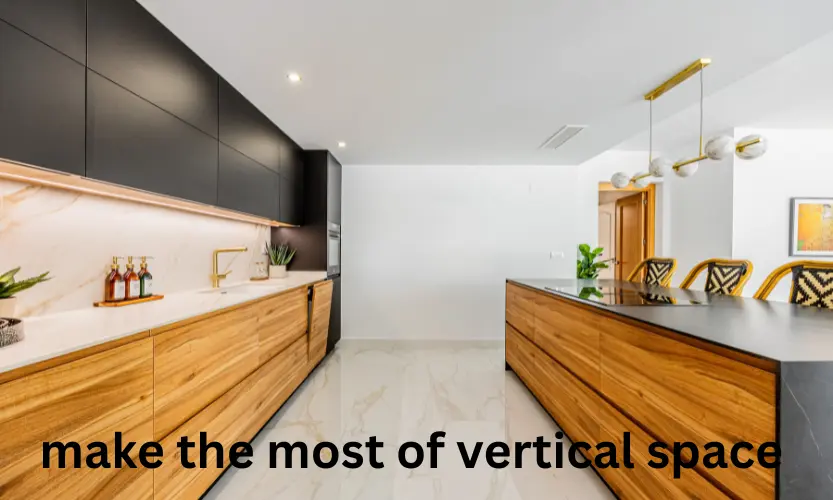
When floor space is limited, look upward.
Walls are often some of the most underused areas in a small kitchen. Instead of allowing them to remain empty, use them for storage and organisation.
Install shelves above countertops or use a wall-mounted rack for frequently used utensils. A tall cabinet can also provide considerably more storage without taking up much additional floor space.
Use Open Shelves Carefully
Open shelving can make a compact kitchen feel lighter because it does not create the same visual heaviness as a row of closed cabinets.
Use the shelves for attractive plates, bowls, mugs, jars, cookbooks, or decorative pieces. However, avoid filling every inch. A little empty space helps the kitchen feel organised rather than crowded.
Install a Wall-Mounted Rack
A simple rack can hold cooking utensils, measuring spoons, kitchen towels, or small pots. Keeping these items off the countertop immediately creates more working space.
Choose Light and Bright Colours

Colour can dramatically affect how a room feels.
Light colours tend to reflect more light, helping a compact kitchen appear brighter and more open. White is a classic choice, but you do not have to create an entirely white kitchen.
Soft beige, cream, pale grey, muted blue, and gentle green can all work beautifully.
If you prefer darker colours, use them as accents rather than covering every surface. Dark cabinet handles, pendant lights, chairs, or a feature wall can add character without making the room feel visually heavy.
Keep Countertops Clutter-Free
One of the quickest ways to make a small kitchen feel smaller is to cover the countertops with appliances, containers, dishes, and decorative objects.
Think about what you actually use every day.
If you make coffee every morning, keeping your coffee machine accessible makes sense. But an appliance used once a week may be better stored inside a cabinet.
The goal is not to remove everything from sight. It is to give every item a logical home.
Create a Dedicated Appliance Area
If you have several small appliances, consider creating one specific area for them.
A corner cabinet, appliance garage, or deep shelf can keep appliances organised while leaving the main countertop available for food preparation.
Pick Furniture That Works Harder
In a compact kitchen, every piece of furniture should earn its place.
A small island, for example, can provide additional preparation space, storage, and seating at the same time.
If a permanent island would make the kitchen difficult to move around in, consider a narrow rolling cart instead. You can move it when you need additional floor space.
Try a Drop-Leaf Table
A drop-leaf table is particularly useful in a small kitchen.
Keep it folded against the wall when you need more room, then open it when it is time to eat or work. It provides flexibility without permanently occupying valuable floor space.
Take Advantage of Corner Storage
Kitchen corners can easily become awkward dead zones. Instead of allowing these areas to collect rarely used items, turn them into functional storage.
Corner drawers, rotating shelves, pull-out organisers, and specially designed cabinets can make difficult spaces much easier to access. Even a narrow corner shelf can provide a useful home for spices, cookbooks, mugs, or decorative pieces.
Use the Space Above Cabinets
If your cabinets do not reach the ceiling, you may have an unused strip of space above them. This area can be useful for storing items that you do not need every day, such as serving dishes, seasonal cookware, or decorative baskets.
Use attractive containers rather than leaving random boxes exposed. Matching baskets can make the area look intentional while keeping less frequently used belongings organised.
Install Under-Cabinet Lighting
Good lighting can completely change the atmosphere of a small kitchen.
A single ceiling light may leave work areas dark, especially underneath cabinets. Under-cabinet lighting adds brightness exactly where you need it.
LED strip lights are a practical option because they take up very little space.
Lighting can also make the kitchen feel warmer and more inviting. Instead of thinking of it only as a practical feature, consider it part of the overall design.
Use Mirrors and Reflective Surfaces
Reflective surfaces can help bounce light around a room.
A mirrored backsplash is one option, but you can achieve a similar effect with glossy tiles, polished finishes, glass cabinet doors, or stainless-steel details. You do not need to cover the entire kitchen in reflective materials. Even a small amount can add brightness and visual depth.
Consider Glass Cabinet Doors
Solid cabinets can sometimes make a compact kitchen feel enclosed.
Replacing a few cabinet doors with glass-fronted versions can create a more open appearance. They allow the eye to travel further into the cabinets, making the space feel less visually closed off. The trick is to keep the contents organised.
If everything inside is mismatched and overcrowded, glass doors can have the opposite effect. Arrange dishes and glasses neatly so the cabinets become part of the kitchen’s decoration.
Make Your Backsplash Work Harder
A backsplash does not have to be purely decorative. It can also become a useful storage area.
A slim rail can hold cooking utensils, while magnetic strips can keep metal tools within easy reach. Small shelves can provide space for spices or frequently used ingredients.
When choosing a backsplash, consider both appearance and maintenance. A surface that is easy to wipe clean can save considerable time in a busy kitchen.
Choose Slim and Compact Appliances
Large appliances can consume a surprising amount of space. If your kitchen is particularly small, look for appliances that match the available dimensions rather than automatically choosing the largest model.
A compact dishwasher, slim refrigerator, narrow microwave, or smaller oven can free up valuable space while still handling everyday needs. Before buying anything, measure the available area carefully. A few centimetres can make a major difference when several appliances need to fit together.
Use Sliding or Pocket Doors
Traditional doors require room to swing open. In a tight kitchen, that movement can interfere with cabinets, appliances, or people walking through the space.
Sliding doors or pocket doors can solve this problem by eliminating the need for a large door-swing area. This is particularly useful when the kitchen connects directly to a dining room, hallway, or living area.
Add a Narrow Kitchen Island
You do not need a huge island to benefit from one. A narrow island can provide additional preparation space without overwhelming the room. Choose a design with drawers or shelves underneath to gain extra storage.
If your kitchen is extremely narrow, measure the walking space around the island before purchasing one. A beautiful island is not useful if it makes opening cabinets or moving around the kitchen difficult.
Use Pull-Out Storage
Deep cabinets often look spacious but can become frustrating when items disappear at the back. Pull-out shelves solve this problem.
Instead of reaching behind several containers to find one ingredient, you can simply slide the shelf forward and see everything at once. Pull-out organisers are especially useful for oils, spices, cleaning supplies, pots, and pantry items.
Organise Drawers by Function
Randomly throwing utensils into drawers can quickly turn a small kitchen into a frustrating mess. Instead, divide drawers according to purpose.
One drawer can hold cooking utensils, another can contain cutlery, and another can store measuring tools. Drawer dividers are inexpensive and can make a surprisingly large difference.
When everything has a designated location, putting things away becomes easier and finding them takes less time.
Don’t Ignore the Kitchen Sink Area
The area around the sink often contains unused potential. A slim shelf above the sink can hold soap, brushes, or small plants. A rail can provide a place for towels.
You can also use an over-the-sink cutting board to create temporary preparation space.
This is especially useful when countertop space is extremely limited. When the sink is not being used, the board creates an additional surface for chopping or preparing ingredients.
Choose Multi-Purpose Accessories
When space is limited, single-purpose items can quickly fill your cabinets. Look for accessories that perform several functions.
A cutting board with a built-in colander, nesting bowls, stackable containers, or cookware that can be stored inside one another can reduce the amount of storage required.
The same principle applies to furniture and décor. A bench with hidden storage can provide seating while also hiding kitchen essentials.
Create a Small Pantry Zone
You do not necessarily need a large walk-in pantry. A tall, narrow cabinet can work as a mini pantry. Use adjustable shelves to store dry foods, spices, cans, and cooking ingredients.
Clear containers can make it easier to see what you have. Labels can also prevent you from buying the same ingredient repeatedly. If cabinet space is limited, a slim rolling pantry can sometimes fit beside a refrigerator or another narrow gap.
Keep the Flooring Simple
The floor occupies a large visual area, so its design can affect how spacious the kitchen feels. Very busy patterns may make a small kitchen appear more crowded.
Simple flooring with subtle patterns can create a cleaner visual flow. If you are using patterned tiles, consider keeping the walls and cabinets relatively simple. Consistency helps the eye move through the room without too many competing details.
Add Personality Without Overdecorating
A practical kitchen should still feel like your kitchen. You can introduce personality through artwork, plants, colourful dishes, attractive handles, textiles, or a small decorative lamp.
The key is moderation. Instead of adding ten decorative objects, choose two or three pieces that genuinely make you happy. A small kitchen does not need to look empty to look spacious. It simply needs enough breathing room between the elements.
Make Use of the Refrigerator Side
The side of a refrigerator can become useful storage space. Depending on the layout, you can add a magnetic organiser for grocery lists, recipes, measuring charts, or small kitchen tools.
If there is a narrow gap beside the refrigerator, a slim pull-out shelving unit may provide additional pantry storage. These little spaces can become surprisingly valuable when every centimetre matters.
Use Consistent Storage Containers
Storage does not only need to be practical; it can also improve the appearance of your kitchen. Using containers with similar shapes and colours creates a more organised look. Transparent containers are particularly useful for dry ingredients because you can see what is inside.
Place frequently used ingredients at eye level and less frequently used items higher up. This simple arrangement can make everyday cooking much easier.
Think About the Kitchen Work Triangle
Good kitchen design is not only about appearance.
The relationship between the refrigerator, sink, and cooking area matters too. These are among the most frequently used areas in a kitchen, so placing them within convenient reach can make cooking more comfortable. In a small kitchen, you may not have the freedom to create a perfect traditional work triangle. That is fine.
Focus instead on creating a smooth path between the main work zones.
Declutter Before You Redesign
Before spending money on new storage solutions, take everything out of your cabinets and drawers. You may discover that the kitchen does not actually need more storage. It may simply need less stuff.
Sort items into categories such as:
- Use every day
- Use occasionally
- Rarely use
- No longer need
Donate or remove items you never use where appropriate. Once the unnecessary items are gone, you will have a much clearer idea of what your kitchen actually needs.
Make the Kitchen Feel Connected to the Rest of Your Home
If your kitchen opens into a living or dining area, use similar colours and materials to create continuity.
For example, if your living room has warm wooden details, incorporating a similar wood tone into your kitchen can help the spaces feel connected.
This approach can make the overall home appear more cohesive and can prevent a small kitchen from feeling like an isolated box.
How to Plan Your Small Kitchen Makeover
You do not have to change everything at once. Start by identifying the biggest problem.
Is there not enough storage? Are the countertops always cluttered? Is the lighting poor? Is the layout difficult to move around? Once you know the problem, choose solutions that address it directly.
For example, if storage is the biggest issue, focus on vertical shelves, pull-out organisers, drawer dividers, and a slim pantry. If the kitchen feels dark, concentrate on lighting, lighter colours, and reflective finishes.
Set a Realistic Budget
A small improvement does not always require a large renovation budget.
Changing cabinet handles, adding shelves, installing lighting, reorganising drawers, or replacing a few decorative elements can make a noticeable difference.
If you have a larger budget, you can consider new cabinets, countertops, flooring, or appliances. The important thing is to prioritise changes that improve how you actually use the kitchen.
You may also like these
Brilliant Tips on How to Keep Kitchen Clean Daily
Easy Secrets for How to Clean Kitchen Countertops
Easy Ways: How to Remove Kitchen Grease for Good
Brilliant Easy Kitchen Cleaning Tips for a Fresh Kitchen
Easy Secrets: How to Clean Kitchen Appliances
Small Kitchen Mistakes to Avoid
Even good ideas can become problematic when they are used without considering the layout.
Avoid overcrowding your countertops with decorative objects. Avoid installing oversized furniture simply because it looks attractive in a showroom. And avoid buying storage products before measuring your cabinets and available wall space. Another common mistake is ignoring movement.
You should be able to open the refrigerator, oven, and cabinets without blocking the main walkway. Always consider how people move through the kitchen during busy moments.
A kitchen should not only look good when nobody is using it. It should work well when you are cooking dinner, washing dishes, preparing breakfast, and moving around with other people.
Final Thoughts
A compact kitchen can be stylish, comfortable, and surprisingly functional when every element has a purpose. From vertical storage and clever organisers to brighter colours, flexible furniture, and thoughtful lighting, the right changes can completely transform the way the room feels and works.
The best small kitchen ideas for home are not necessarily the most expensive or complicated ones. Sometimes, moving a shelf, clearing a countertop, adding better lighting, or choosing one multifunctional piece of furniture is enough to make everyday life easier. Start with the biggest problem in your kitchen, work with the space you already have, and build a room that feels organised, welcoming, and completely yours.
FAQs
What are the best small kitchen ideas for home?
The best small kitchen ideas for home include using vertical storage, choosing multifunctional furniture, adding open shelving, and keeping countertops clutter-free.
How can I make a small kitchen look bigger?
Use light colours, reflective surfaces, good lighting, and streamlined cabinets. Keeping the floor and countertops visually clear can also make the room feel more spacious.
How can I maximise storage in a small kitchen?
Make use of vertical wall space, cabinet organisers, pull-out drawers, corner storage, magnetic racks, and the space above cabinets.
What colours work best in a small kitchen?
Light shades such as white, cream, soft grey, beige, and pastel tones can make a small kitchen feel brighter and more open. You can add darker accents for contrast.
How do I keep a small kitchen from looking cluttered?
Limit countertop items, organise cabinets efficiently, use matching storage containers, and choose appliances and furniture that serve more than one purpose.