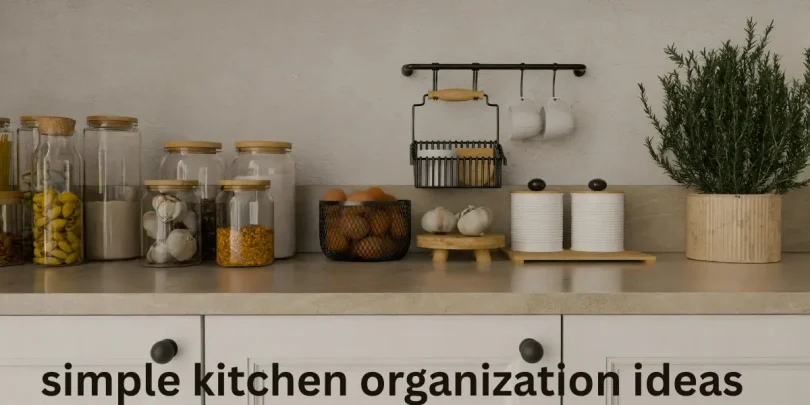

A cluttered kitchen can make even the quickest meal feel like a tiring task. When everything has a place, cooking becomes easier, cleaning takes less time, and the whole room feels more comfortable. That is why simple kitchen organization ideas can make such a noticeable difference, even without a complete kitchen makeover.
You do not need expensive cabinets, a huge pantry, or a perfectly designed kitchen to get organized. A few thoughtful changes can help you make better use of the space you already have. From arranging crowded cabinets to clearing your countertops, small improvements can turn a frustrating kitchen into a practical and welcoming part of your home.
Why Kitchen Organization Matters

The kitchen is one of the busiest rooms in most homes. It has to accommodate cookware, dishes, food, appliances, cleaning supplies, utensils, and countless small items. Without a system, things quickly become difficult to find.
Good organization is not about making every shelf look perfect. It is about creating a setup that works for your everyday routine.
When your kitchen is organized:
- Everyday items are easier to find.
- Cooking and meal preparation become faster.
- Countertops stay clearer.
- Cabinets hold more without feeling overcrowded.
- Cleaning becomes easier.
- Food is less likely to be forgotten.
- You spend less time searching for things.
Start by Decluttering Your Kitchen
Before buying storage containers or organizers, take a close look at what you already own.
Open one cabinet or drawer at a time and remove everything. You may find duplicate utensils, old food containers without lids, chipped dishes, expired ingredients, or appliances you have not touched in years.
Ask yourself a few simple questions:
- Do I use this regularly?
- Do I have another item that does the same job?
- Is it still in good condition?
- Would I notice if it disappeared?
If the answer is no, it may be time to let it go.
Decluttering gives you something more valuable than additional storage: space. There is little point in finding clever ways to organize items you do not actually need.
Create Zones for Different Kitchen Tasks
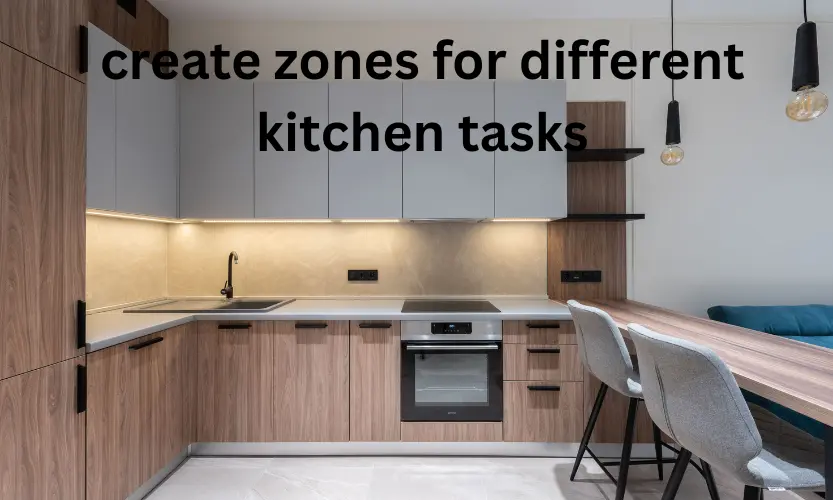
One of the easiest ways to make a kitchen more practical is to divide it into zones. Instead of placing items wherever there happens to be room, keep things together according to how you use them.
Cooking Zone
Keep pots, pans, cooking utensils, spices, oils, and frequently used ingredients close to the stove. You should not have to walk across the kitchen several times just to prepare a simple meal.
Preparation Zone
The area where you usually chop, mix, or prepare food should contain cutting boards, knives, mixing bowls, measuring tools, and other preparation essentials.
Cleaning Zone
Keep dish soap, sponges, brushes, gloves, and cleaning cloths near the sink. A small container beneath the sink can keep these supplies together.
Breakfast or Coffee Zone
If your morning routine involves tea, coffee, or breakfast, keep the relevant items together. Cups, tea bags, coffee, sugar, and frequently used appliances can share one convenient area.
Creating zones means you are organizing according to real habits rather than simply trying to make cabinets look attractive.
Make the Most of Kitchen Cabinets
Cabinets can hold a surprising amount when their space is used properly. Instead of stacking everything randomly, group similar items together. Keep plates with plates, glasses with glasses, baking supplies with baking supplies, and pots with pots.
Shelf risers can be particularly useful because they create an additional level inside tall cabinets. This prevents smaller items from disappearing behind larger ones.
You can also use small baskets to group similar products. For example, one basket could hold baking ingredients while another contains snacks. The goal is simple: when you open a cabinet, you should be able to see what is inside without having to move five things first.
Use Drawer Dividers for Utensils
Kitchen drawers often become messy because utensils of different sizes are thrown into the same space. A drawer divider can immediately create separate sections for forks, spoons, knives, serving utensils, measuring spoons, and other tools.
You do not necessarily need a fancy organizer. Even simple adjustable dividers can prevent everything from sliding into one giant pile. Keep the utensils you use most often toward the front or in the easiest-to-reach sections. Less frequently used tools can go farther back.
Organize Your Pantry by Category
A pantry becomes much easier to manage when similar ingredients stay together.
You could create sections for:
- Pasta and rice
- Canned foods
- Baking ingredients
- Breakfast foods
- Snacks
- Spices
- Sauces and condiments
- Tea and coffee
Clear containers can be useful for frequently used dry foods because you can quickly see how much is left. However, you do not need to transfer every ingredient into matching containers.
Use containers where they genuinely improve visibility or prevent mess. Otherwise, keeping products in their original packaging is perfectly practical.
Label Containers and Baskets
Labels can save time, particularly when several containers look similar. A simple label such as “Baking,” “Snacks,” or “Breakfast” tells everyone where something belongs.
Labels are especially helpful for families because everyone can follow the same organization system. Instead of asking where something goes, household members can return it to its labelled space. You can use printed labels, handwritten labels, chalkboard stickers, or simple adhesive tags. The system does not have to be fancy to be useful.
Keep Countertops as Clear as Possible
Kitchen countertops tend to collect everything from mail and keys to appliances and food packets. A crowded counter makes the kitchen feel smaller and gives you less space for actual food preparation.
Start by removing anything that does not need to stay there.
For appliances, consider how often you use them. If you use your kettle or coffee machine every morning, keeping it on the counter makes sense. If you use a particular appliance once every few months, storing it in a cabinet may be more practical. A clear countertop can instantly make a kitchen look cleaner and more spacious.
Take Advantage of Vertical Space
When floor and cabinet space are limited, look upward.
Walls can provide valuable storage opportunities for items such as:
- Cooking utensils
- Mugs
- Measuring cups
- Kitchen towels
- Cutting boards
- Small baskets
- Frequently used tools
Hooks and wall-mounted racks can turn unused wall space into useful storage.
However, avoid covering every available wall. A few well-placed storage solutions are usually more practical than turning the entire kitchen into a wall of hanging objects.
Use the Inside of Cabinet Doors
The inside of a cabinet door is often completely unused.
Depending on the cabinet, you can add a slim organizer to store items such as measuring spoons, wraps, cleaning supplies, or small packets.
This works particularly well in cabinets beneath the sink, where the interior space can otherwise become difficult to manage. Before installing anything, make sure the organizer will not interfere with shelves or prevent the door from closing properly.
Make Under-Sink Storage Work Harder
The cabinet beneath the sink can become one of the messiest areas in the kitchen. Instead of throwing cleaning products inside, divide the space into categories.
Use small bins for sponges and cloths, another container for cleaning products, and a separate area for spare supplies.
If there are pipes taking up space, choose adjustable or narrow organizers that can work around them. Keep potentially harmful cleaning products away from food and out of reach of young children.
Organize Your Refrigerator
Kitchen organization does not stop at cabinets and drawers. A messy refrigerator can cause food to get forgotten, wasted, or pushed to the back.
Group similar foods together. For example, keep dairy products together, place sauces in one section, and use a drawer for fruits or vegetables according to your refrigerator’s design. Clear bins can also help keep smaller items together.
One simple habit makes a major difference: when you bring new groceries home, move older items toward the front and place newer items behind them. This makes older food easier to notice and use first.
Store Pots and Pans Efficiently
Pots and pans are often awkward because they take up considerable space. If you have enough cabinet height, stacking them can work, but constantly pulling apart a heavy pile can become annoying.
A pan organizer can allow pans to stand vertically instead. Another option is to hang frequently used cookware on a sturdy rack if your kitchen layout allows it.
Keep the cookware you use most often in the easiest location to reach. There is no benefit in storing your everyday frying pan in the hardest-to-reach cabinet just because it looks tidier there.
Give Food Containers Their Own System
Food storage containers are useful until you open a cabinet and discover a mountain of mismatched lids.
Start by matching every container with its lid. Discard damaged pieces and anything that no longer has a usable partner. Then stack containers by size and keep lids together in a separate section.
If you have limited space, choose containers that stack neatly inside one another. A consistent shape can make a surprisingly large difference in how much cabinet space you use.
Arrange Spices So You Can See Them
Spices are small, but they can create a huge amount of cabinet clutter. Instead of placing them in several rows where the bottles at the back disappear, use a tiered spice rack or shallow organizer.
Arrange them alphabetically if that works for you, or group them according to how often you use them. Frequently used spices should always be easy to grab while cooking.
Use Baskets to Control Small Items
Baskets are useful because they turn several loose objects into one manageable group. You can use them for snacks, tea supplies, baking tools, cleaning products, or extra kitchen towels.
The important thing is not to create a basket for absolutely everything. Too many categories can make your organization system harder to maintain. Use baskets for groups of items that naturally belong together.
Create a Dedicated Baking Area
If you enjoy baking, keeping all your supplies together can make preparation much easier. Store flour, sugar, baking powder, measuring cups, mixing bowls, and decorating supplies in the same general area.
A labelled basket can hold smaller baking accessories, while larger ingredients can remain on a nearby shelf. When everything is together, you will spend less time searching for individual ingredients before starting a recipe.
Organize Kitchen Towels and Cloths
Kitchen towels are easy to overlook, but they can quickly become another source of clutter. Fold clean towels together and keep them in a dedicated drawer or basket.
Separate everyday towels from spare or decorative ones. If you have more towels than you realistically use, consider reducing the collection. A small hook near the sink can also provide a convenient place for the towel you are currently using.
Make Everyday Items Easy to Reach
Your kitchen should reflect how you actually live. If you drink tea every morning, your tea supplies should not be hidden at the back of a high cabinet. If you cook dinner every evening, frequently used pans should be within easy reach.
Store occasional-use items in less convenient areas and reserve prime storage locations for things you use regularly. This simple principle can make your entire kitchen feel more efficient.
Avoid Buying Too Many Organizers
It is tempting to see beautiful storage products online and assume they will solve every kitchen problem.
But buying organizers before understanding your storage needs can create even more clutter. Measure your cabinets and drawers first. Think about what needs to be stored and how often you use it.
Then choose organizers that solve specific problems. Good organization should make your life easier, not give you another collection of objects to maintain.
Keep a Small Kitchen Organization Routine
An organized kitchen stays organized through small habits rather than occasional major cleanups. At the end of the day, spend a few minutes returning items to their proper places. Wipe down the main work surfaces and check whether anything has been left out unnecessarily.
Once a week, look through the refrigerator and pantry for food that needs to be used soon.
Every few months, reassess drawers and cabinets. If something has become difficult to access, change the arrangement instead of simply putting up with it.
Simple Kitchen Organization Ideas for Small Kitchens
A small kitchen requires more careful use of available space, but limited square footage does not mean limited functionality. Use narrow gaps for slim storage racks, install hooks where appropriate, and take advantage of vertical space.
Choose furniture and organizers that perform more than one function whenever possible.
For example, a rolling cart can provide additional storage and work as a movable preparation surface. A magnetic strip can hold certain metal utensils while freeing up drawer space. The key is to make every area serve a purpose without making the room feel crowded.
You may also like these
Brilliant Tips on How to Keep Kitchen Clean Daily
Easy Secrets for How to Clean Kitchen Countertops
Easy Ways: How to Remove Kitchen Grease for Good
Brilliant Easy Kitchen Cleaning Tips for a Fresh Kitchen
Easy Secrets: How to Clean Kitchen Appliances
How to Maintain an Organized Kitchen
Getting organized is one thing. Keeping it that way is another. The easiest way to maintain your system is to make it effortless. Every item should have a clear home. If putting something away requires moving several other objects, you are less likely to do it consistently.
Pay attention to the areas that repeatedly become messy. If the same drawer gets disorganized every week, the problem may not be your habits. The storage system itself may need to change.
Organization should adapt to your routine.
Final Thoughts
A beautifully organized kitchen does not require a huge budget, expensive renovations, or picture-perfect storage containers. It starts with understanding how you use your space and making small changes that remove unnecessary friction from your daily routine. From decluttering cabinets and creating practical zones to using vertical space and keeping countertops clear, even modest adjustments can make your kitchen feel calmer and easier to use. The best simple kitchen organization ideas are the ones you can realistically maintain, because an organized kitchen should make everyday life easier—not create another chore.
FAQs
What are the best simple kitchen organization ideas?
Some of the best simple kitchen organization ideas include using drawer dividers, shelf risers, labelled containers, wall hooks, and pull-out storage to keep everyday items accessible.
How can I organize a small kitchen?
Use vertical wall space, stackable containers, narrow organizers, and multi-purpose storage solutions. Keeping frequently used items within easy reach can also make a small kitchen feel more functional.
How do I organize kitchen cabinets?
Group similar items together, remove rarely used items, and use shelf risers, bins, and cabinet organizers to maximize available space. Keep everyday essentials at the front.
How can I reduce clutter in my kitchen?
Start by removing expired, broken, or unused items. Then assign a specific place for everything and avoid overcrowding countertops, cabinets, and drawers.
How do I organize a kitchen without spending much money?
You can use inexpensive baskets, recycled containers, adhesive hooks, jars, and DIY dividers. Rearranging existing storage can also make a noticeable difference without a large budget.